
Do Diamonds Have A Resale Value? Or Are They Worthless?
Does a Diamond have any resale value?
It really does depend on the Diamond but a broad answer is:
But there are many different factors that impact the resale value of a Diamond and I will be covering these in more detail below.
Do Lab-Grown Diamonds Have Resale Value?
Let’s get this one out of the way, the answer is… no.
The main reason is that the price of new lab-grown Diamonds has fallen rapidly over the last 5 years and continue to do so.
This makes it very difficult to price them for the pre-owned market and they haven’t been around long enough to find out if there is any interest for them on the second-hand market
The majority of companies that buy Diamonds treat them in a similar way to Synthetic Moissanite and CZ, meaning they have little to no resale value.
What Factors Impact The Resale Value Of A Diamond?
Not all Diamonds are equal and not all Diamonds are sold equally.
Which is why there are four main factors that impact the resale value of a Diamond, which are:
Let’s examine these three aspects in more detail.
Diamond Quality
The 4 C’s have a big impact on the resale value of a Diamond, because higher-quality stones are rarer and in higher demand than lower-quality ones.
I will go over these individually but it is the combination of them that impacts the value, rather than one individual element.
1. Colour
The colour of the Diamond is very important and there are two ways that colour is important for Diamonds:
Colourless Diamonds
When it comes to colourless Diamonds, the higher the colour grade, the more desirable the stone is.
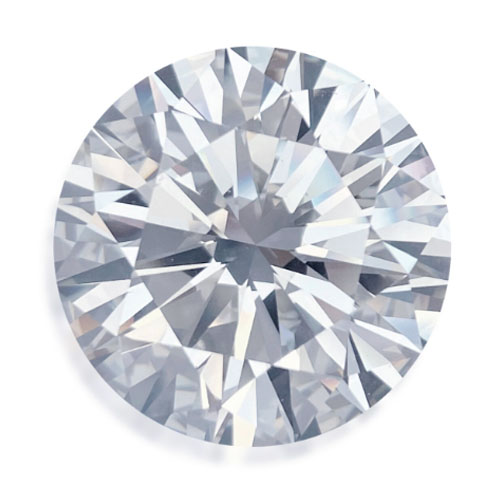
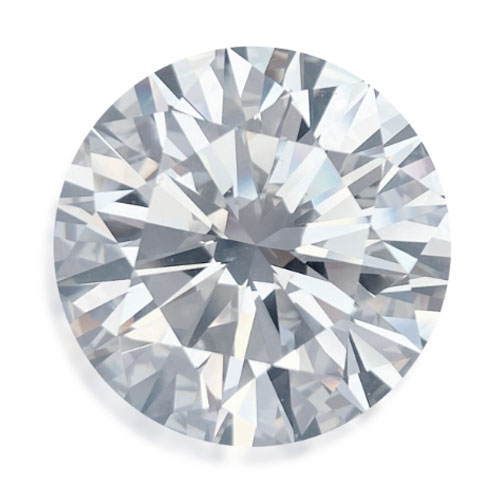
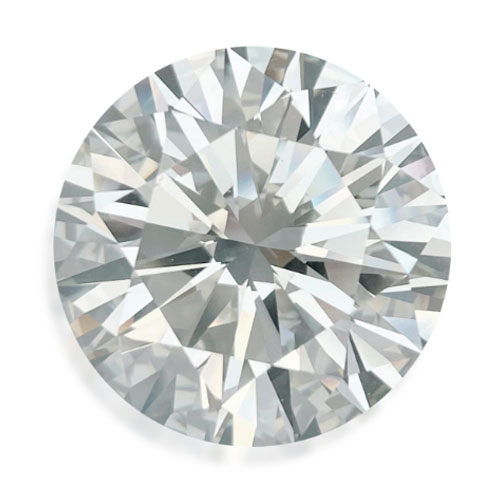
The D-F range is the most desirable as they are completely colourless and the rarest when it comes to colourless Diamonds.
G and H are still desirable and there is demand for these stones but more availability of these in the market mean their resale value is lower.

As you move further down the colour scale, where hints of colour become more noticeable, their resale value drops as there is limited demand and they are much more common.
Fancy Colour Diamonds
Colour is a hugely important factor when it comes to value for Fancy Colour Diamonds.
Fancy Colour Diamonds are assessed on their hue, tone and saturation, with the scale ranging from faint to fancy dark.
Fancy Vivid is the most desirable, followed by Fancy Intense and as they move away from these, either getting lighter or darker, the value of the stone begins to decrease.
2. Clarity
Then we have clarity, which is how free from inclusions the Diamond is, which has a big impact on the visual appeal of the stone.
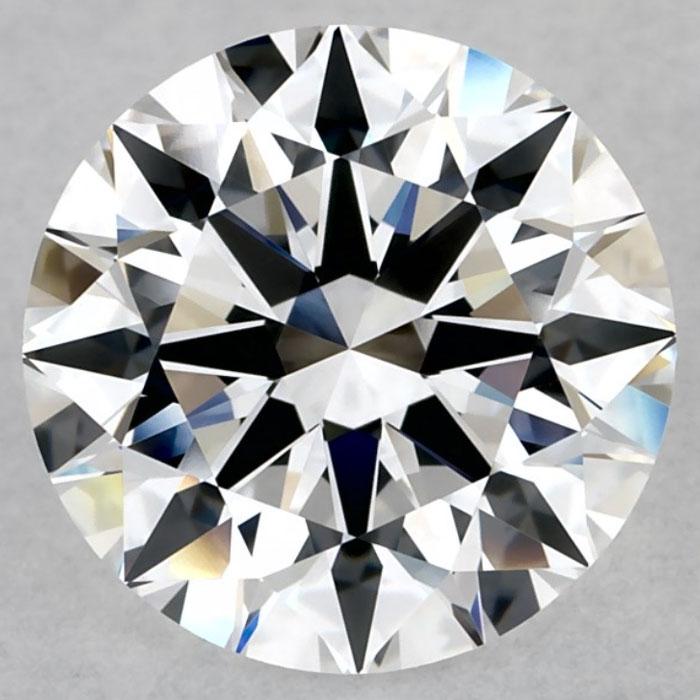
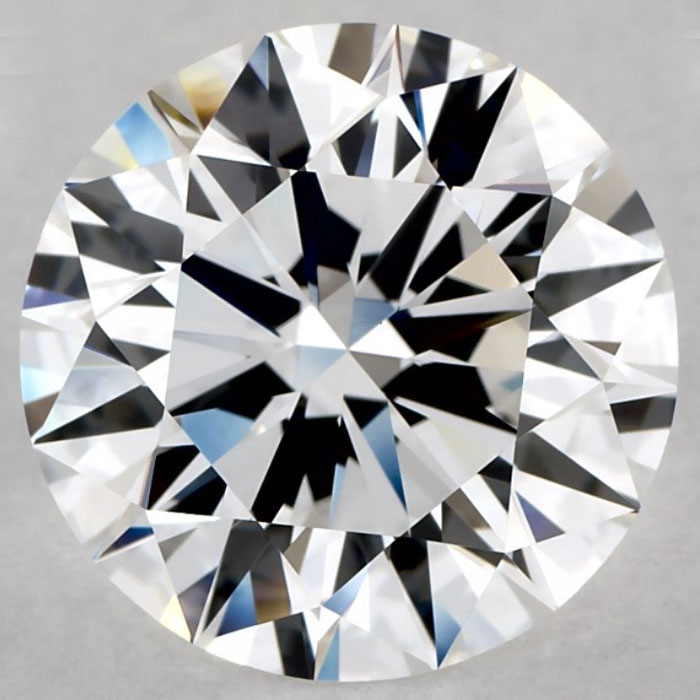
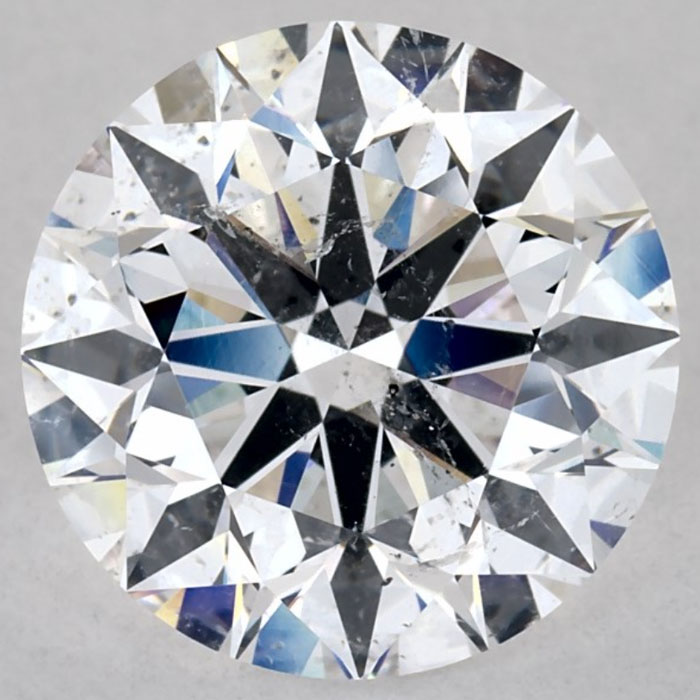
Flawless Diamonds are the rarest and most desirable.
As you move down the Clarity scale, the value begins to decrease due to them being more available.

The resale value really drops off when you get to SI2 as the inclusions are noticeable and have a big impact on the beauty of the stones.
This has become even more apparent with the rise of synthetic Diamonds as the demand for stones with obvious inclusions has fallen a lot!
3. Cut Quality

The Cut quality of a Diamond has a big impact on how good or bad a stone looks and obviously, a stone that is full of life (brilliance) and has a really good sparkle (fire) is going to be more desirable than one that looks dull and lifeless.
In terms of value, 3X Diamonds (excellent cut quality, symmetry and polish) retain more value than a stone that has a very good or good rating for one or more these.
4. Carat (Diamond Weight)
The weight of the Diamond does have a big impact on value and generally, the more a stone weighs, the more valuable it is.
The key is the other 3 C’s because bigger Diamonds aren’t always worth more than smaller ones, for example, at the time of writing this, I saw a:
- 5ct, I Colour, SI2 Diamond for $61,000
- 2ct, D Colour, Flawless Diamond for $65,000
That is a 3 carat difference in weight but the smaller, better-quality Diamond is worth more per carat and would likely attract a much better resale price as the stone is more desirable but if all quality factors are the same, then a larger stone will be worth more.
5. Diamond Reports

Often referred to as the 5th C (because many wrongly call them certificates!), having a recent report (less than 5 years old) from a reputable gem lab, such as the GIA can make it easier to sell your Diamond.
I do want to be clear though, just because a Diamond has a report, doesn’t mean it is a good quality stone.
The report itself doesn’t give any indication of value, it just states information about the Diamond, including:
- The size and weight
- Quality (colour, clarity, cut quality, fluorescence)
- Whether the Diamond is natural or lab-grown
- Whether the Diamond has been treated or not
This information makes it easier for the buyer to come up with the price for your stone as they can use this information to see what the market value is, it also makes it easier for them to then sell it on.
Tip: If your Diamond doesn’t have a report, it makes it more important to choose the right place to sell your stone as there needs to be people there who are trained in Diamond grading so that they can assess the quality of the Diamond and give you an accurate value for your Diamond.
How Much You Paid For Your Diamond
I’m not talking about the $ figure here, instead what I’m talking about is the margin that the person/business you bought the Diamond from put on the stone when they sold it.
Profit margins are part and parcel of business and they aren’t going to sell you a Diamond for what they paid for it but this does vary between businesses and has an impact on the percentage value that your Diamond retains, for example:
Let’s say we are talking about a 1ct E/VVS1 Diamond. If you bought it from somewhere that put a 100% markup on the stone, the percentage value that is retained is going to be higher than if they put a 300% markup on the stone, even though the actual value of the stone will be the same when you come to sell it (hope that makes sense).
Where You Sell Your Diamond
One of the biggest factors when it comes to how much you get for your Diamond is where you sell it and there are a few options to choose from, including:
Peer to Peer
Selling directly to another customer is one of the best ways to get the most money back for your Diamond and can be done using online marketplaces or sales platforms but there are some drawbacks:
- It can take time for you to sell your Diamond, especially if you price it too close to retail!
- You run the risk of being scammed and this does happen, especially with sites like Ebay that nearly always side with the buyer (I ran a jewellery store on Ebay and this does happen a lot)
So while you can get back more for your Diamond, there is also more hassle on your part.
High Street Pawnbrokers
These are the pawnbrokers that are in every town or city, with the like of H&T Pawnbrokers and Cash Converters being two of the biggest chains in the UK.
They offer a way to sell your Diamond or Diamond jewellery in a quick and hassle free way but you will likely get a lowball offer from these as they have strict pricing policies in place, which can be something like £1 per point (a point is 0.01 carats).
Plus, their staff aren’t usually trained to a high level when it comes to appraising jewellery.
Independent Pawnbrokers
Independent pawnbrokers are, in my opinion, a better option as the owners/team are a little more in tune with their business and they understand the local market better, they may also have more knowledge and skills around appraising jewellery but this does vary between businesses.
Jewellers
There are many smaller, independent jewellers that buy and sell pre-owned jewellery (some may also be pawnbrokers) and will likely give you a better price than you would be offered from a high street pawnbroker.
Some jewellers may also offer to take your Diamonds on consignment, which means they sell the item on your behalf and take a commission for doing so, this may take longer to get the money for your Diamond but you will probably end up getting more for it.
Auction Houses
There are many different types of auction houses, ranging from ones that sell everything and anything to ones that either run specialty sales or focus on a certain product type, such as Fellows Auction in Birmingham, which focuses on jewellery and watches.
Selling your jewellery at a specialist auction will likely get you the fair market value for your jewellery as buyers will pay what they think the piece or stone is worth but there are some drawbacks to selling through an auction:
- It can take time as they may only run sales every few months for jewellery
- You can get more or less than you would selling to any of the other options (you can always set a reserve but it will probably cost you)
- There may be fees such as entrance fees, sale fees etc for selling your item, which reduces how much you actually get for it
- It might not sell and this does happen
So there are pros and cons to selling your Diamonds and jewellery at auction and if you are considering this, it may be worth checking out some of their previous auctions to see what similar pieces sold for.
Specialist Pawnbrokers
There are also some more high-end pawnbrokers in the UK, such as:
What makes these pawnbrokers different is that they have highly trained staff, including gemmologists who can accurately appraise the piece and they also have the connections in the industry, which allows them to offer you a very competitive price for your Diamond.
When you are looking to sell your Diamond, it is worth doing some research and taking it to a few different places to see what they offer as this will give you an idea as to what you can expect for your Diamond.
The State Of The Diamond Market
The final factor in a Diamond’s resale value is the state of the market becuase:
There are many factors that impact the Diamond market, such as economic uncertainty, geopolitics and consumer preferences.
Finding out the current state of the market can be challenging but searching for Diamond price history and market trends can be helpful, sometimes just asking people in the industry (jewellers, pawnbrokers etc) can give you a good insight.
Ideally, you want to sell your Diamond when the market is strong but circumstances don’t always mean this is possible.
Conclusion
As you can see, it really isn’t a straightforward yes or no answer as some Diamonds retain a decent amount of value and others, little to none, with things like:
- The quality and weight of the Diamond
- Whether it is natural or synthetic
- Where you sell it
- The state of the Diamond market
All have a big impact on whether the stone has a resale value and how much you get for that stone when you sell it and I hope that this post has not only answered your question but also given you a bit more understanding as to how and why your Diamond is only worth a fraction of what you paid for it.

I'm Paul Haywood FGA DGA, the owner and founder of Haywoods Gems, I'm a fully qualified Gemmologist and Diamond Grader from the Gemmological Association of Great Britain.