
Diamond Clarity Grades – A Beginner’s Guide
What is Clarity when talking about Diamond quality and why is it important?
That is what I am going to break down in this post by looking at what clarity is, the different clarity grades and why it has such an impact on the price of a Diamond.
But what do I know about Diamond Clarity? I’m a fully qualified Gemmologist and Diamond Grader.
What Is Diamond Clarity?
Diamond Clarity is how free from inclusions and blemishes a stone is.
That is the simple, technical answer but it is a bit more in-depth than that, as a Diamond’s Clarity has a big impact on how good or bad a stone looks, which obviously has an impact on the price of the Diamond.
There are official clarity grades, which I will get onto shortly but you may also come across the following terms:
Diamond Clarity Grades
Diamonds are graded for their clarity and the most commonly used scale is the one that the GIA developed in the early 20th century that ranges from Flawless to included as you can see on the chart below:

In order to be given a carity grade, the inclusions in each stone are assessed on the following five factors:
And there are many different types of inclusions that can be found in Diamonds, which is what makes each stone unique as unlike colour, no two Diamonds will have the same inclusions in the same places.
Let’s take a look at the different clarity grades in more detail:
Flawless (F)
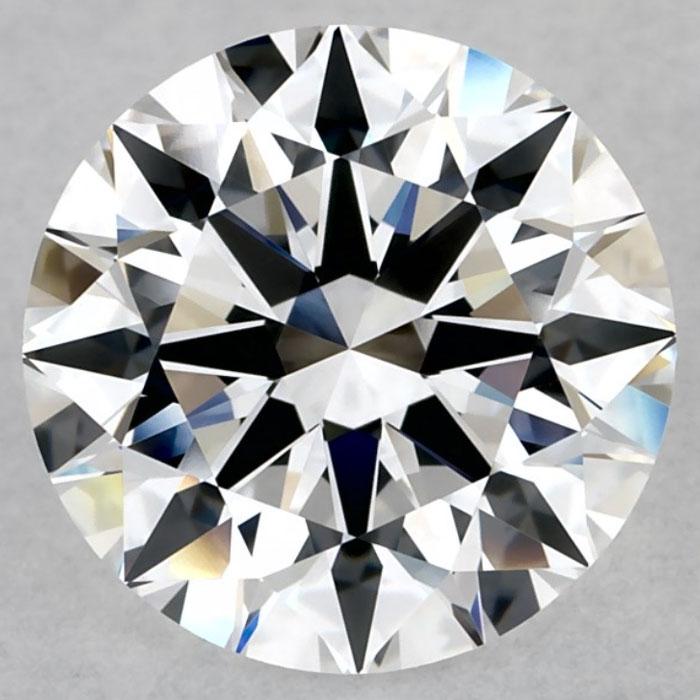
This is the highest clarity grade that a Diamond can have and in order to achieve this grade, the Diamond must have no inclusions or blemishes and as this is the highest clarity grade, Flawless Diamonds attract a premium.

Internally Flawless (IF)
The second highest clarity grade is Internally Flawless and a Diamond with this grade will have no inclusions but have a small blemish on the surface of the stone.
In most cases a report won’t list the blemish on the Diamond plot diagram.
VVS1 (Very Very Slightly Included)
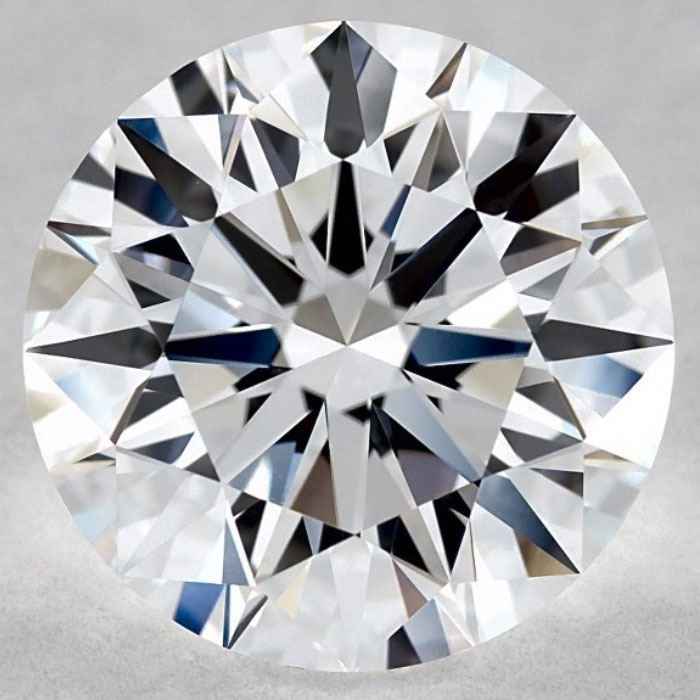
VVS1 is the first clarity where an inclusion in visisble but this inclusion is very difficult to see using 10x magnification, even for trained Diamond graders as the inclusion is very small.
VVS2 (Very Very Slightly Included)
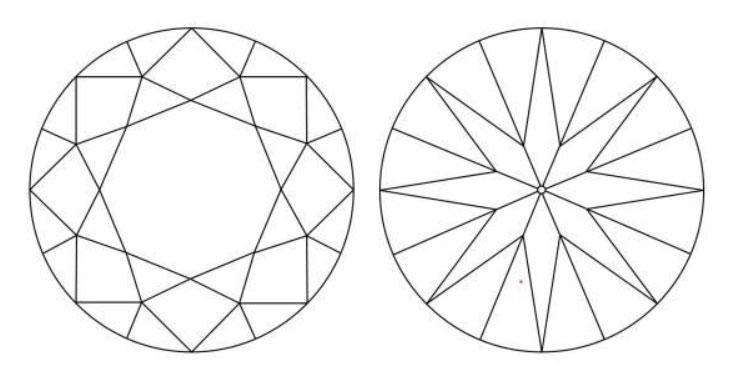
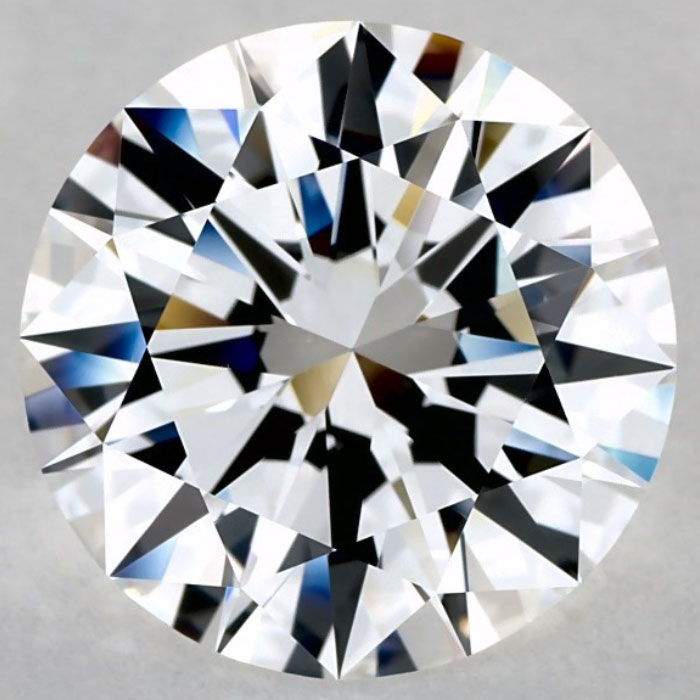
The inclusions in a VVS2 clarity diamond will be more noticeable than a VVS1 but they are still very difficult to see using 10x magnification, even for an experienced Diamond grader.
VVS clarity Diamonds are what many people will call ‘loupe clean’ due to how difficult the inclusions are to spot.

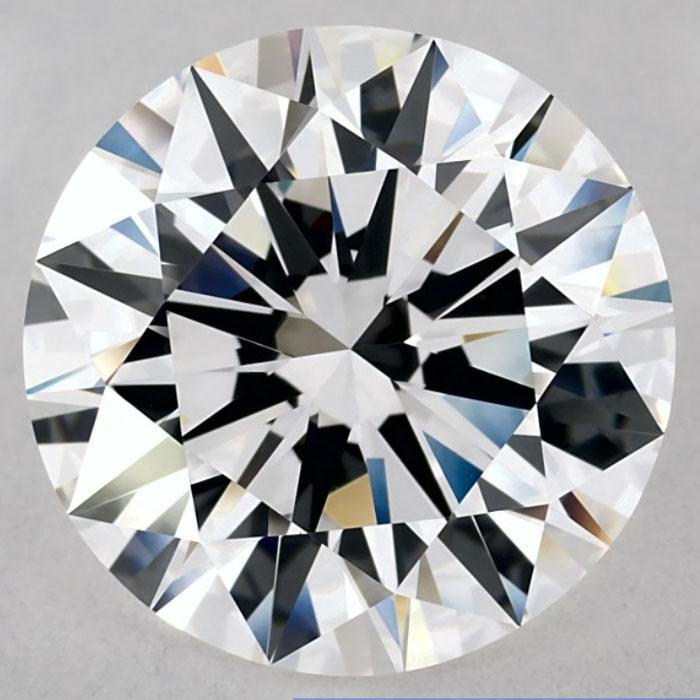
VS1 (Very Slightly Included)
In a VS1 clarity Diamond, the inclusions are difficult to spot when using 10x magnification, even for experienced Diamond graders but they are easier to see than in a VVS clarity stone.
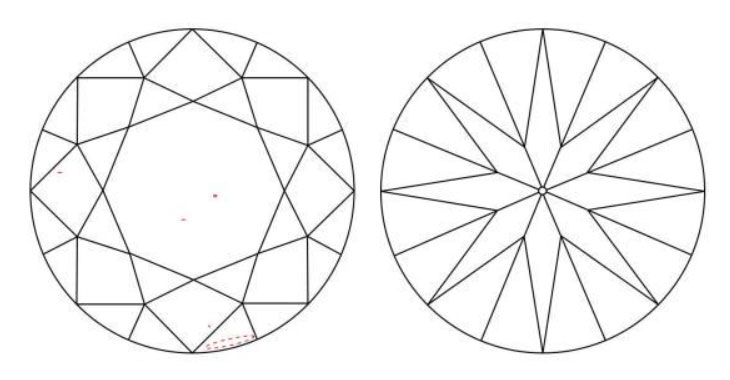
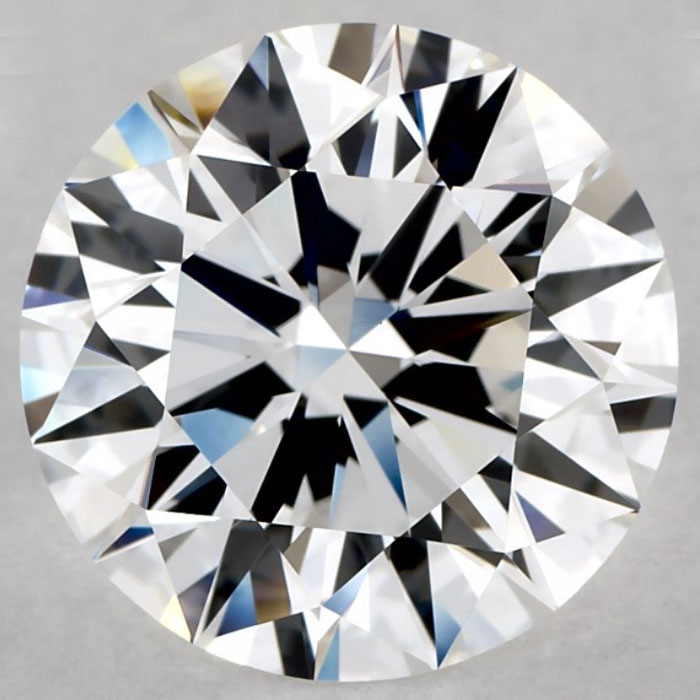
VS2 (Very Slightly Included)
The inclusions in a VS2 clarity Diamond are going to be easier to see using 10x magnification than in a VS1 clarity stone but they are not going to be obvious as they are still going to be very small and not impact on the beauty of the stone.
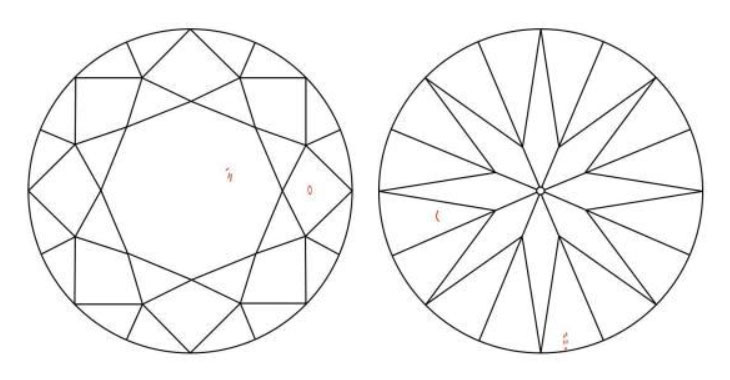
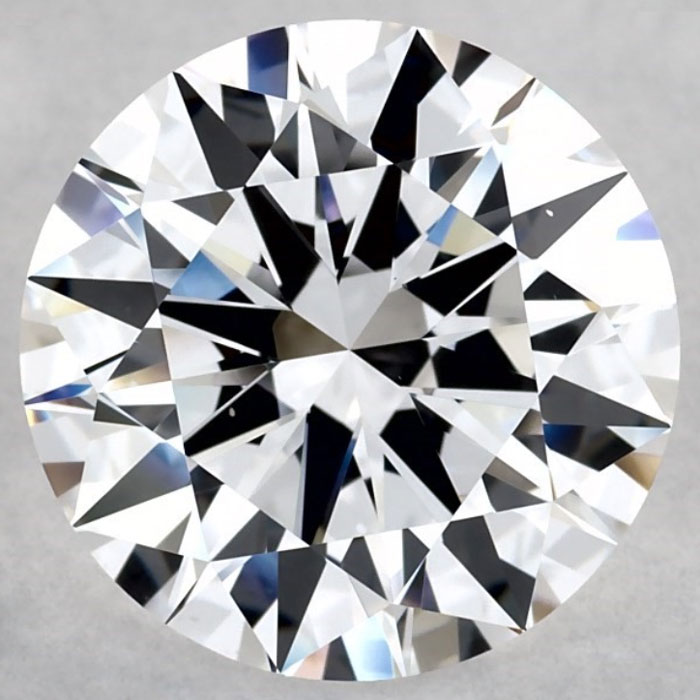
S1 (Slightly Included)
SI1 is the clarity grade where inclusions start to be easily spotted using 10x magnification and in some cases can be seen with the naked eye.
What is kind of crazy is the difference between a good SI1 stone and a bad one, which isn’t the case with higher clarity grades.
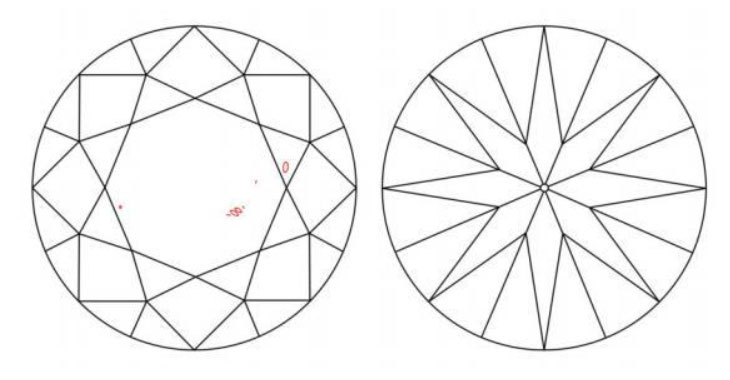
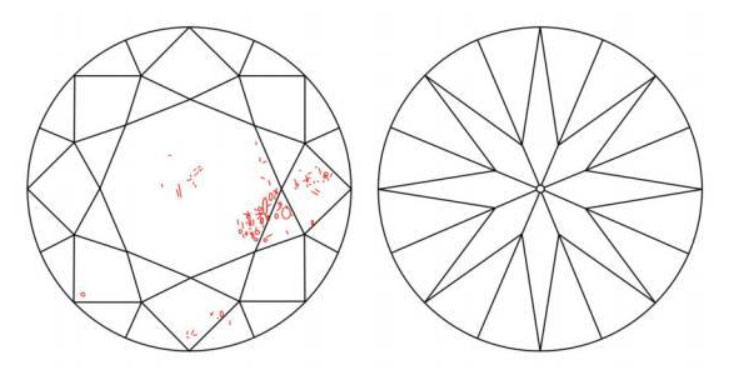
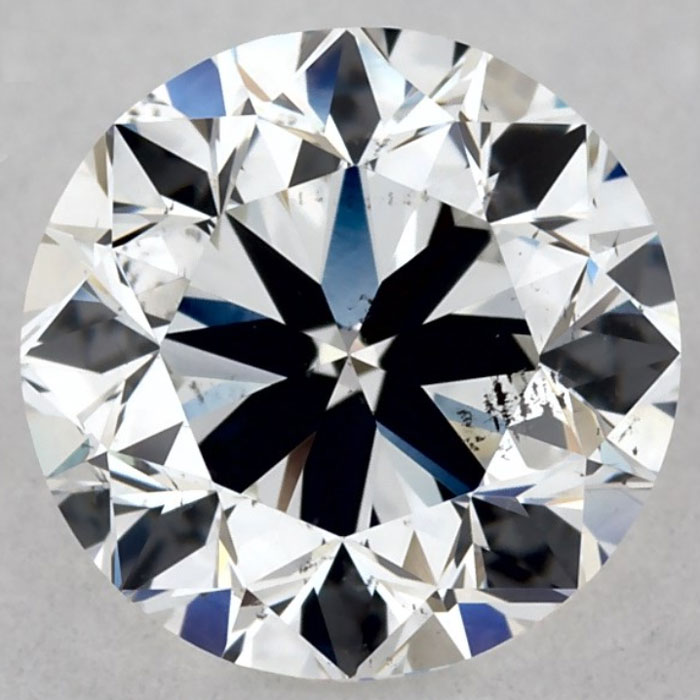
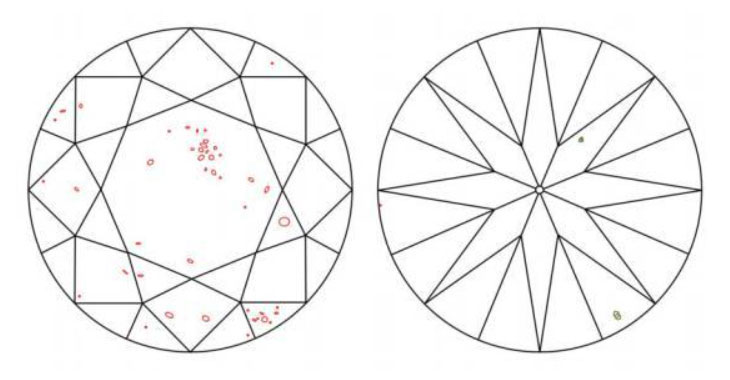
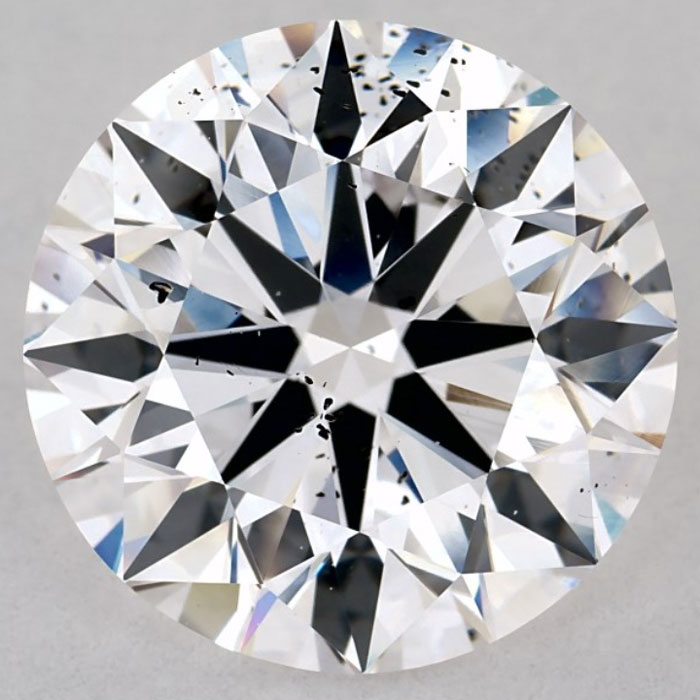
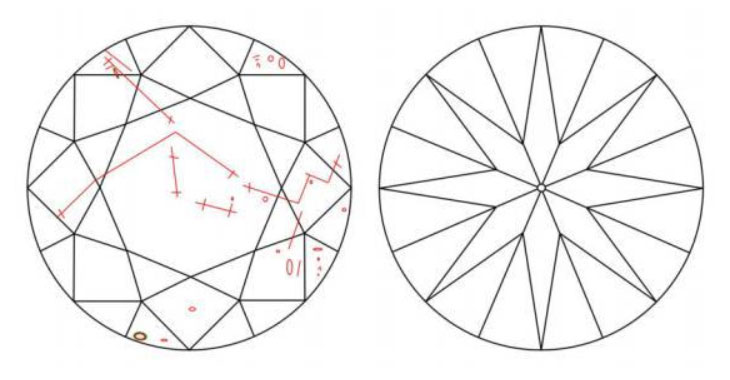
This is where care needs to be taken when choosing an SI1 clarity Diamond and I’ve pulled two examples for you:
The stone pictured below is a really good SI1 clarity stone that has minimal inclusions and would require using a 10x loupe to spot them.
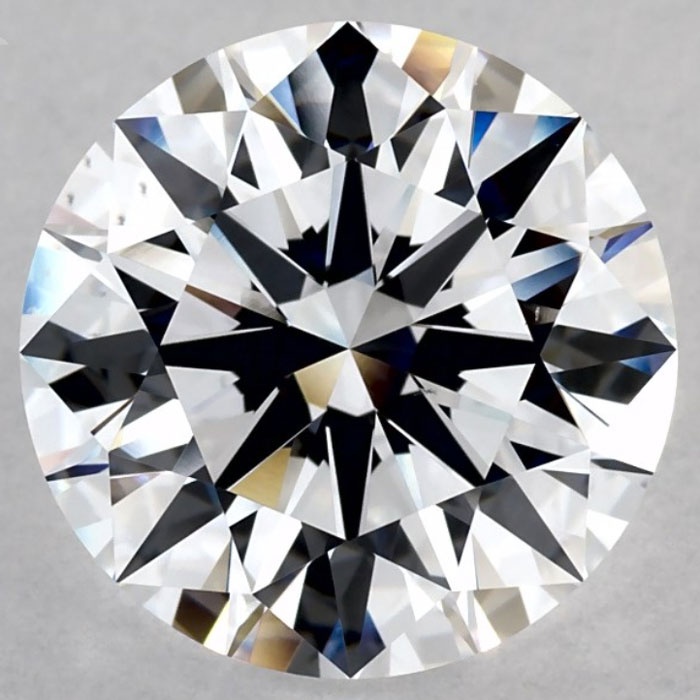
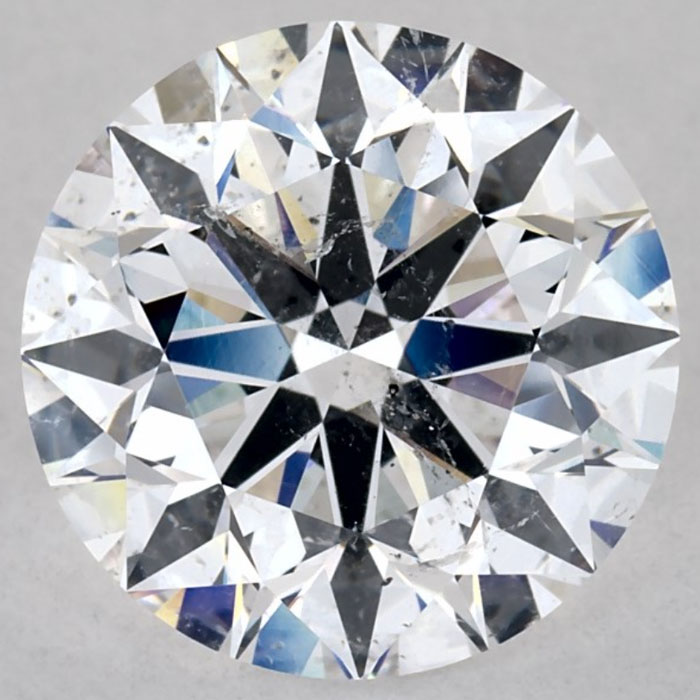
Compare this to the stone below that has quite obvious inclusions that would be noticeable to the naked eye, especially as it is a 1ct stone.
SI2 (Slightly Included)
At SI2, inclusions are easily noticeable to the naked eye and start to impact on the beauty of the stone.
While you can find some good SI2 stones, where the inclusions don’t have too much of an effect on the beauty of the stone, the majority are going to look quite bad.
I (Included)
Then we reach the lowest grading category, which is the I Clarity grade and there are three levels of I clarity, which are:
I always recommend avoiding I clarity Diamonds as they just aren’t worth it as they either look horrible or have an inclusion such as a large fracture or cleavage plane that increase the chances of the stone breaking.
Diamond Clarity and Reports
You have probably noticed in my breakdown above that I have included diagrams showing where the inclusions are known as a Diamond plotting diagram and reputable labs, such as the GIA include these on their reports along with a key showing what inclusions are in that stone, like in the image below:
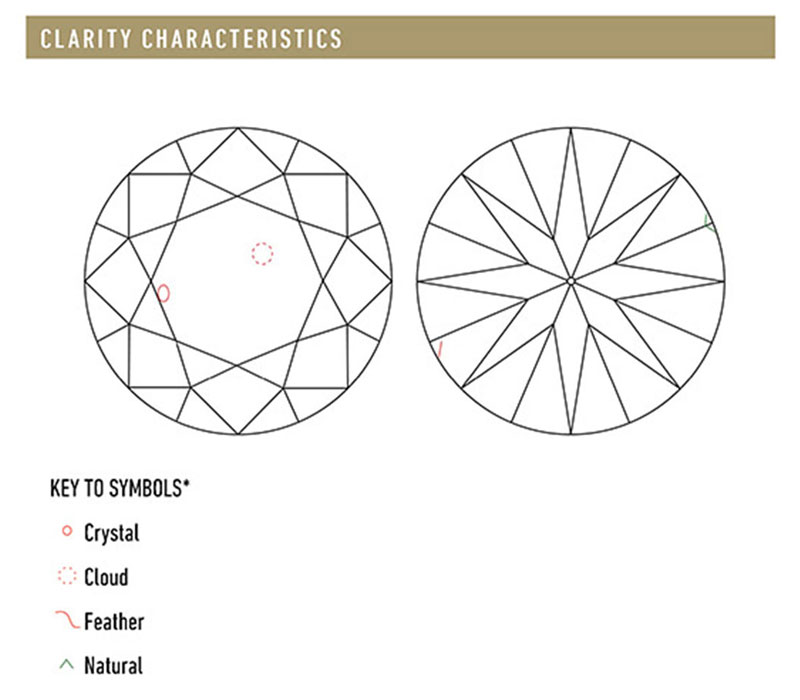
These can be really helpful for spotting inclusions, especially in stones with higher clarity grades (they can also be used to match a stone to a report).
There are a number of different inclusions that can be found in Diamonds and I’ve added a list in the next picture and the symbols that are used for them.
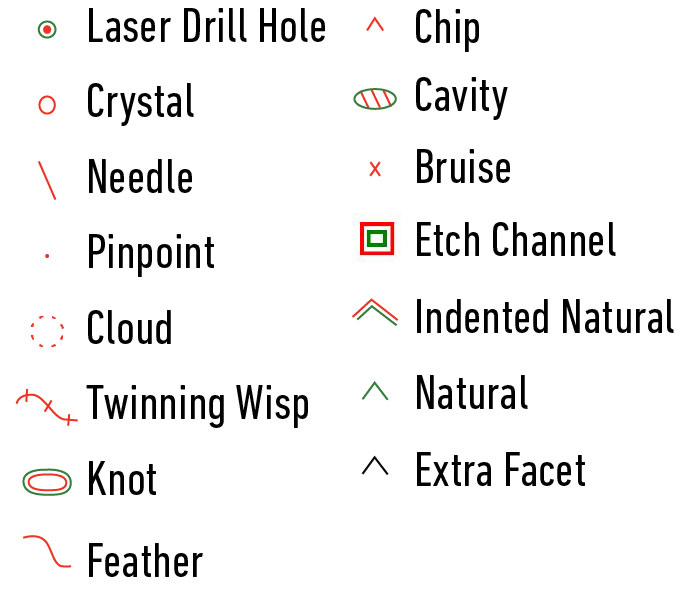
But you should never just go off the plotting diagram in terms of judging a Diamonds clarity as they don’t give you the full story, they just show you what inclusions are in the stone and where they are but don’t give you any idea as to how much of a visual impact they have on the stone.
Conclusion and Recommendations
Clarity is a very important thing to consider in a Diamond and is up there with cut quality in terms of the impact it has on the beauty of a Diamond and I do have some recommendations when it comes to clarity grades:
So basically VS1 to SI1 is the ideal range and unless you are looking at investment level Diamonds, I wouldn’t bother with higher clarity grades.
Diamond Clarity FAQ

I'm Paul Haywood FGA DGA, the owner and founder of Haywoods Gems, I'm a fully qualified Gemmologist and Diamond Grader from the Gemmological Association of Great Britain.