

How Much Does A Diamond Cost In The UK? (2026)
22 October 2026 By Paul Haywood FGA DGA
Diamond prices can range from hundreds to millions of dollars and can be confusing if you are looking to buy one.
Which is exactly why I created this guide to help you understand all the different factors that affect how much a Diamond costs.
Quick Summary
- A 1ct Round Brilliant Diamond can cost between £907 and £15,378
- The 4 C’s (Colour, Clarity, Cut and Carat) and Fluorescence all play a factor in how much a Diamond costs
- Different styles of cuts sell for different prices per carat, even when they are the same quality
Let’s take a deeper look into the different factors that affect the price of a Diamond (I’m just looking at colourless Diamonds for this guide as I’ve covered fancy colours, such as Pink, Blue and Yellow individually).
Prices updated: 7th September 2026
Carat
Diamonds are priced on a per carat basis and generally, the more a stone weighs (carat is the weight of the stone, not the size), the more it costs per carat than an equivalent quality stone that weighs less and you can see this in the table below:
The stones listed below are: G Colour, VS Clarity, Excellent Cut, Natural Round Brilliant Cut.
| Diamond Weight | Price Per Carat | Price Per Stone | View Diamonds |
|---|---|---|---|
| 0.5 Carat | £1,458 – £3,482 | £729 – £1,741 | View 0.5 Carat Diamonds |
| 1 Carat | £2,611 – £8,063 | £2,611 – £8,063 | View 1 Carat Diamonds |
| 2 Carat | £7,110 – £13,721 | £14,220 – £27,441 | View 2 Carat Diamonds |
| 3 Carat | £11,479 – £21,796 | £34,436 – £65,389 | View 3 Carat Diamonds |
| 4 Carat | £14,536 – £20,893 | £58,142 – £83,932 | View 4 Carat Diamonds |
The reason for this is that bigger stones are rarer than smaller ones, as evidenced by there being over 100 1ct stones available when writing this post and less than 20 4ct stones.
There are also times when the price per carat jumps when a stone weighs more than a round number, as there is more demand for a 2ct stone than a 1.95ct one.
They are also easier to sell, as many prefer to say they have a 2ct Diamond than explaining it weighs 1.95ct, even though there will be no visible difference in size between the two stones.
TCW: You may see this advertised on some finished jewellery, this is the Total Carat Weight of the Diamonds on the piece, not the weight of the main stone.
Colour
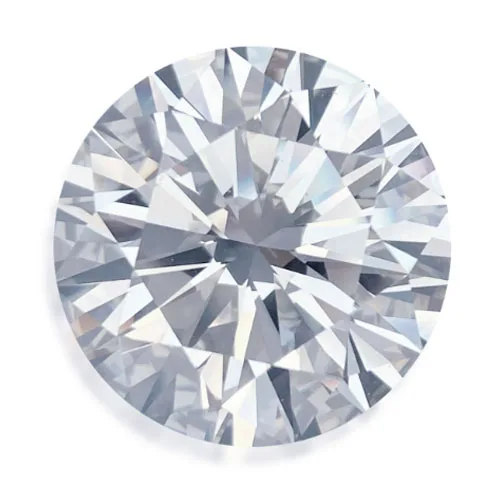
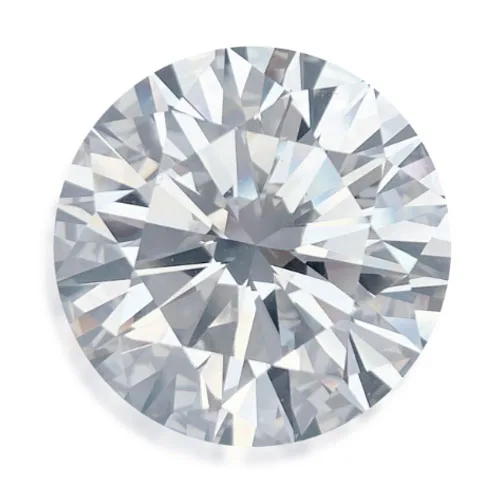
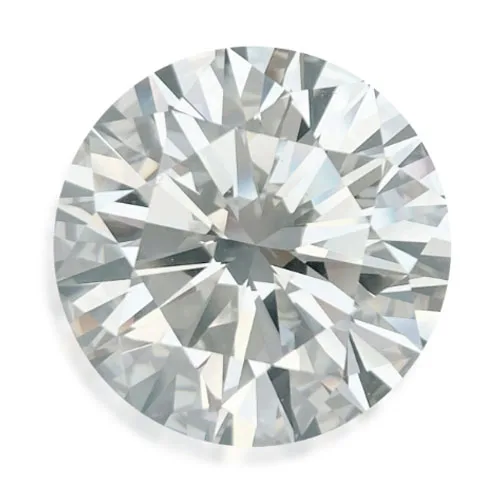
As another of the 4 C’s, Colour also has an impact on the price of a Diamond and the better the colour, the more expensive the Diamond (assuming all other quality factors are equal).
But how much does colour impact on price? In the table below, I’ve shown the prices for a VS1 Clarity, Excellent Cut, Round Brilliant Diamond weighing 1 Carat but with different colour grades:
| Colour | Price Per Carat | View Diamonds |
|---|---|---|
| D | £3,212 – £14,375 | View D Colour Diamonds |
| G | £2,881 – £8,063 | View G Colour Diamonds |
| J | £1,967 – £3,116 | View J Colour Diamonds |
As you can see, the better the colour, the higher the price per carat but is it worth paying a premium for a D or E colour Diamond?
Honestly, no as the only difference between a D/E and an F/G/H is how ‘bright’ the Diamond looks and is only really noticeable to people with a trained eye as all these 5 colour grades are colourless when looking through the top of the Diamond.
Most people will only start to notice a hint (and it is a very slight hint) at an I colour.
F, G and H colour Diamonds are colourless but don’t attract the premium of a D/E colour Diamond and are a great option for engagement rings.
Clarity
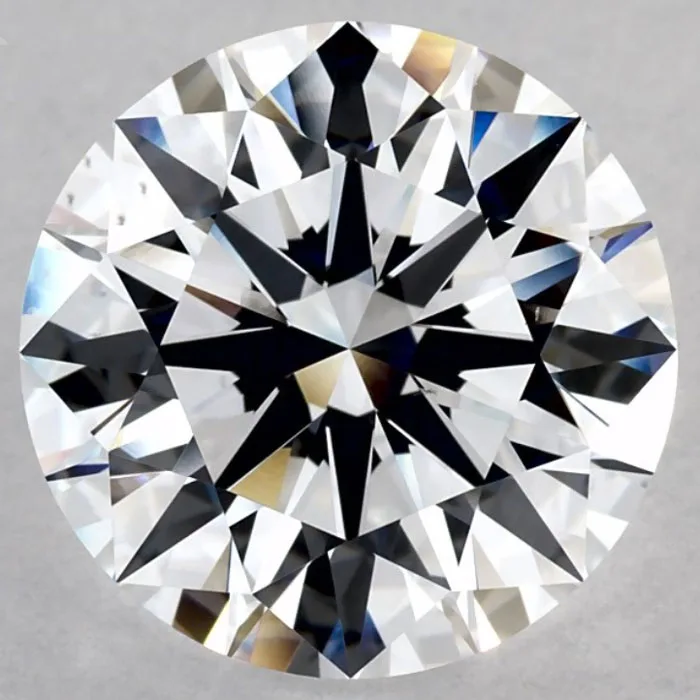
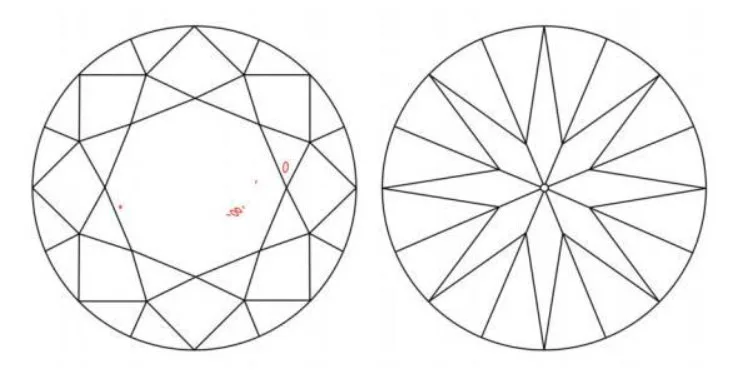
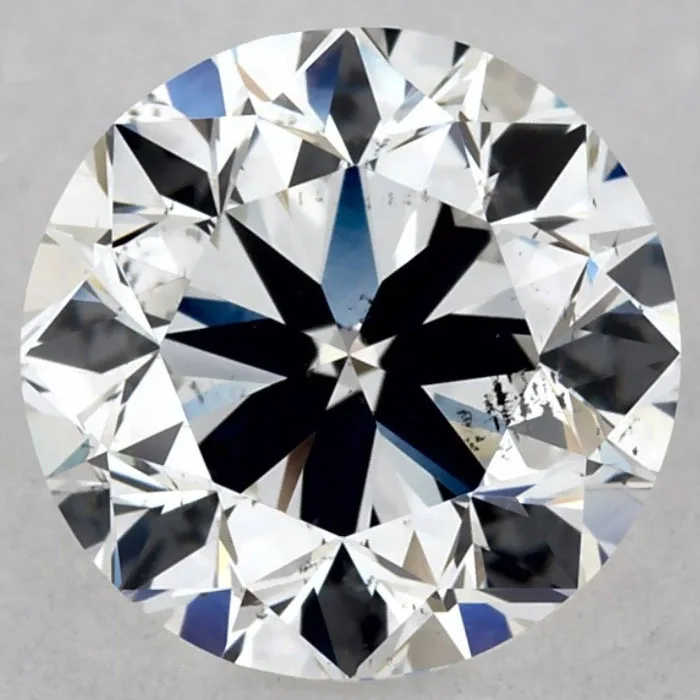
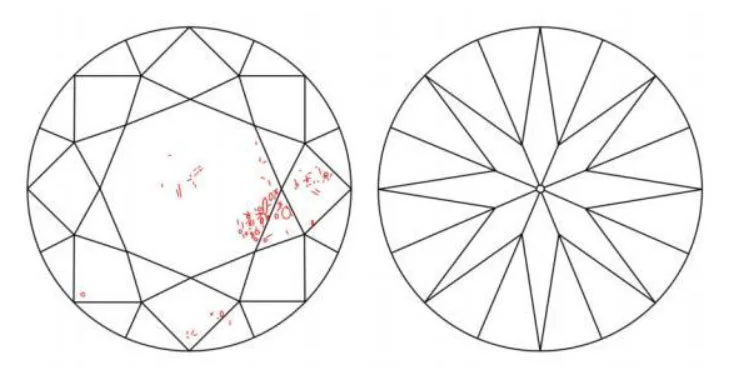
Clarity also has an impact on the price of a Diamond and stones with a higher clarity grade will cost more:
| Clarity | Price Per Carat | View Diamonds |
|---|---|---|
| SI1 | £1,907 – £3,741 | View SI1 Clarity Diamonds |
| VS1 | £2,881 – £8,063 | View VS1 Clarity Diamonds |
| VVS1 | £2,891 – £5,227 | View VVS1 Clarity Diamonds |
The prices are based on a 1 Carat, G Colour, Excellent Cut Round Brilliant Diamond.
One thing that you will notice when looking at Diamonds is that stones with the same Clarity and quality can sometimes have pretty big price differences but why?
Well, Diamonds can have the same Clarity grade but the inclusions in the Diamonds can have a big impact on the visual appeal of the stone.
Take the two Diamonds in the pictures above, they are both D Colour, SI1 Clarity, Excellent Cut, 1ct Diamonds but the one on the right is 15% cheaper than the one on the left, this is because:
- The inclusions in the first Diamond are really small and quite difficult to spot without looking at the plotting diagram
- The second Diamond not only has more inclusions but they are darker and a lot easier to spot, some of them are also being reflected in other facets, which makes the stone look more included than it actually is
Clarity also follows a similar pattern to colour as for the majority of buyers, there is no point buying a Diamond with a clarity grade higher than a VS1 as only a trained Diamond Grader using magnification will be able to spot the difference between a VS1 and a VVS2 or Flawless Diamond.
When looking to buy, a VS1, VS2 or SI1 will in most cases be your best option and I would avoid any I clarity diamonds, even if the prices are very attractive.
Always look at the Diamonds before deciding to buy and don’t just buy from the information on the report as the clarity grade alone doesn’t tell you what the Diamond will look like.
Cut
The final of the 4 C’s is Cut and this is the one that many people overlook but it is arguably the most important as it has a big impact on how good or bad the stone looks.
When it comes to cut, there are three elements to consider:
- Cut Grade – this is the proportions of the stone, such as the table size, crown height and pavilion angle. Currently, only Round Brilliant Cuts are given a Cut Grade by the GIA
- Symmetry Grade – this is how symmetrical the Diamond is (image placing a line down the middle of a Diamond)
- Polish Grade – this is how good the final polish of the Diamond is
Each one of these will be graded either Poor, Fair, Good, Very Good or Excellent. If a stone is graded excellent for all three, it is often referred to as a Triple X stone and these grades do have an impact on the price:
| Cut | Price Per Carat | View Diamonds |
|---|---|---|
| Very Good | £3,049 – £4,294 | View Very Good Diamonds |
| Excellent | £2,881 – £8,063 | View Excellent Diamonds |
The Diamonds listed above are G Colour, VS1 Clarity, 1ct Round Brilliant Cut stones.
The Cut Grade is something that I wouldn’t compromise on and would always go for a Very Good or Excellent grade as these stones will generally sparkle like a Diamond should.
Some retailers will have their own top-quality cut grade but this won’t appear on a GIA Diamond report as the highest grade GIA gives is Excellent
The Style of Cut


The style of cut is the shape of the stone and the price per carat can vary quite a bit between different styles, even though they are the same quality.
The table below shows this as the prices are all based on 1ct, G Colour, VS Clarity, Excellent cut for Round, Princess and Oval and Very Good – Excellent cut for all other shapes:
| Style of Cut | Price Per Carat | View Diamonds |
|---|---|---|
| Round Brilliant | £2,670 – £5,590 | View Round Brilliant Diamonds |
| Princess | £1,869 – £4,401 | View Princess Cut Diamonds |
| Oval | £2,490 – £4,585 | View Oval Cut Diamonds |
| Cushion | £1,525 – £4,713 | View Cushion Cut Diamonds |
| Emerald | £1,712 – £4,030 | View Emerald Cut Diamonds |
| Pear | £2,648 – £4,377 | View Pear Cut Diamonds |
| Marquise | £3,873 – £5,513 | View Marquise Cut Diamonds |
| Radiant | £2,104 – £4,463 | View Radiant Cut Diamonds |
| Asscher | £1,559 – £4,936 | View Asscher Cut Diamonds |
| Heart | £2,000 – £3,903 | View Heart Cut Diamonds |
Some styles like the Round Brilliant, Princess and Oval are generally worth more as the demand for these styles is pretty constant and they could even be called timeless as the demand rarely gets impacted by current fashion trends.
Some other styles of cut are more susceptible to current fashion trends and this can result in their prices fluctuating, an example of this is the Cushion Cut, which saw a huge increase in demand following the engagement of Prince Harry and Meghan Markle and prices increased but they soon fell again when they weren’t as fashionable.
There are also fancy cuts that have a very niche customer base, such as the Heart Cut and prices for these are usually a lot lower than the equivalent weight and quality Round Brilliant or Princess cut.
Fluorescence
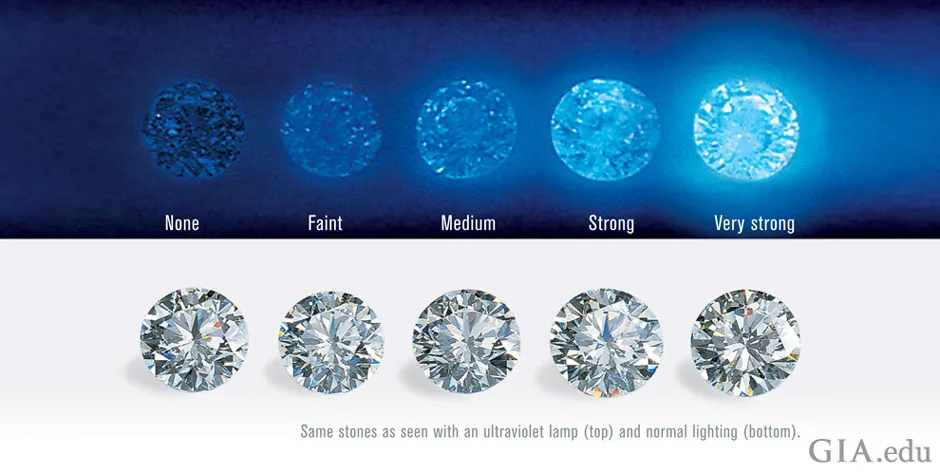
Fluorescence is one of the things that has a big impact on a Diamond’s price but is something that many people don’t really understand (including many within the industry).
This is because fluorescence only has a negative impact on a small number of Diamonds as it can give the stone a milky appearance but this only usually happens in stones that have very strong fluorescence and most retailers don’t sell these.
When Diamonds are graded, the fluorescence is checked and given a grade between None and Very Strong and even though most retailers don’t sell Diamonds with Very Strong fluorescence, there is still a big difference in price between a Diamond with no fluorescence and one with strong fluorescence.
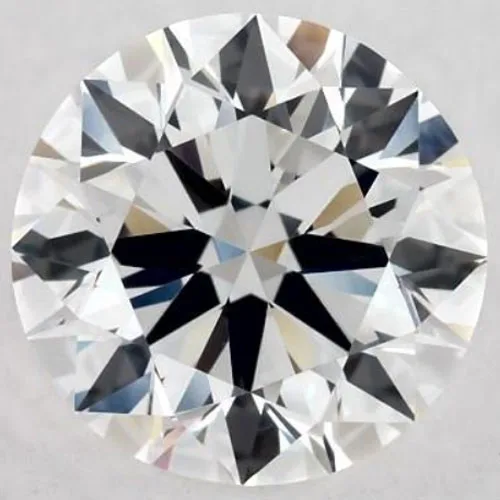
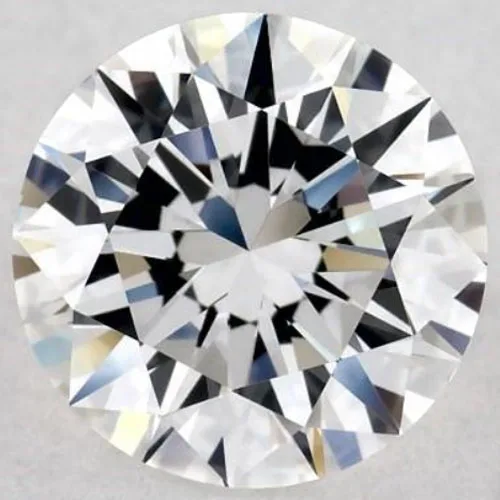
Take the two Diamonds pictured above, they are both 1ct, G/VS Diamonds with Excellent cut but the Diamond on the left has no fluorescence and the one on the right has strong fluorescence, which results in more than a 20% difference in price!
The crazy thing is that without exposing the Diamonds to UV light, you probably would never know as the fluorescence has no negative impact on how the Diamond looks.
Reports (Certificates)
Another factor that affects the price of a Diamond is whether or not it comes with a report (often incorrectly called a certificate).
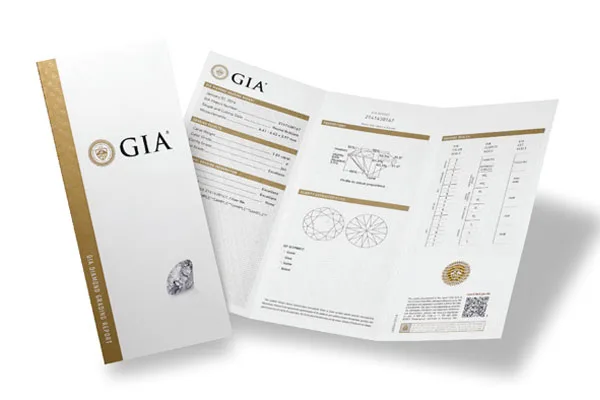
The reason why it affects the price is that a report contains information about the quality of the Diamond, such as the colour, clarity and size, which gives customers more confidence when buying a Diamond.
But not all reports are equal as a Diamond with a report from the GIA, which is regarded by many as the gold standard when it comes to gem labs, will have a higher price than the same quality Diamond with a report from IGI.
Most of the main retailers, especially ones that sell loose Diamonds only stock stones that come with GIA reports and I do recommend buying a Diamond with a GIA report.
Avoid Diamonds that are accompanied by any documentation that says Certificate or Certificate of Authenticity as reputable gem labs only issue reports.
Treatments
Even though I always recommend that you don’t buy a treated Diamond, it is something that I will cover as treatments have a big impact on the price of a Diamond.
Most large retailers such as Blue Nile don’t stock treated Diamonds but you may still encounter them on your Diamond buying journey and the price may seem very attractive as they are a lot cheaper than untreated Diamonds.
But why is there a big difference in price between treated and untreated Diamonds?
The simple answer is that treated Diamonds are of a lower quality than untreated ones because:
- Clarity Treated Diamonds – have poor clarity such as large fractures that need to be filled with glass or large dark inclusions that need to be removed and while they may look “better” after being treated, the clarity of the Diamond hasn’t actually been improved
- Colour Treated Diamonds – generally have a poor or undesirable colour, which is why they are treated to either remove colour or turn the colour into a more desirable fancy colour
There is limited demand for these lower-quality Diamonds because many buyers don’t like the idea of buying a treated Diamond, which is reflected in the price.
Conclusion
As you can see, there are many different elements that affect the differences in Diamond prices and sometimes there can be very subtle differences that mean one Diamond is worth more than another, even though on paper they are of the same quality.
So when it comes to getting the best Diamond for your money, what do you need to look for:
- Colour – an F, G or H Colour Diamond will be colourless but won’t attract the premium of a D or E colour Diamond but will look the same when set in a piece of jewelry
- Clarity – a VS1, VS2 or good SI1 will look clean to the naked eye but won’t attract the premium of a VVS, IF or F Diamond
- Cut – always go for an Excellent or Very Good cut Diamond as this increases the chances of the stone having the sparkle you expect from a Diamond
- Reports – if possible, go for a Diamond with a GIA report but don’t buy the stone just from the information on the report, always look at the stone
- Fluorescence – not as big of an issue as some people make it out to be, in general only Diamonds with very strong fluorescence will have any kind of visual impact on the stone
- Treatments – treated Diamonds are best avoided, even though the price may seem very appealing there is reason for that as they are low-quality Diamonds.
You may have noticed that I missed Style of Cut and Carat from the list, this is because the style you choose is based on personal preference and the weight of the Diamond is very much going to depend on your budget.