
Fancy Color Diamond Grading – A Beginner’s Guide
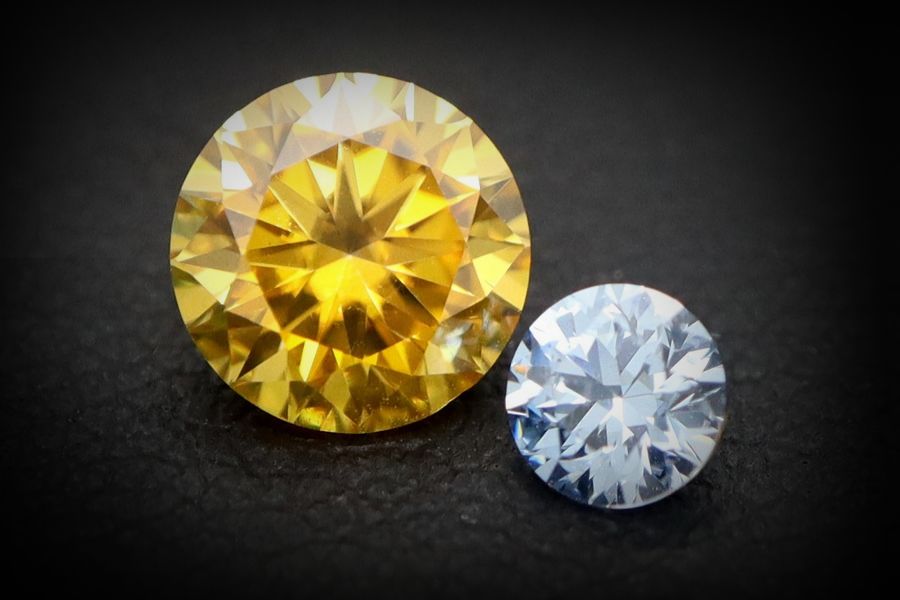
Fancy Color Diamonds make up less than 2% of all Natural Diamonds and when it comes to grading these rare Diamonds, there are some differences compared to the normal D-Z colorless and near-colorless stones.
And that is what I am going to cover in this guide.
So whether you are looking to buy a Fancy Color Diamond or just want to learn more about them, this guide is the perfect place to start.
But who am I? My name is Paul Haywood FGA DGA, I’m a qualified Gemologist and Diamond Grader through the Gemmological Association of Great Britain and have taught Diamond Grading in the past, so I do know a thing or two about Diamonds, so let’s get started…
Color
It shouldn’t come as a surprise that Color is the most important quality factor when it comes to Fancy Color Diamonds, as the color grade has a huge impact on the price of the stone.
When it comes to grading the color of a Diamond, there are 4 main things that are looked at:
1: Hue
Hue is the body color of the stone and the majority of Fancy Color Diamonds will fall into one of the following 3 categories:
Pure Colors
These are stones that have a single hue and include:
- Red
- Pink
- Purple
- Blue
- Violet
- Green
- Yellow
- Orange
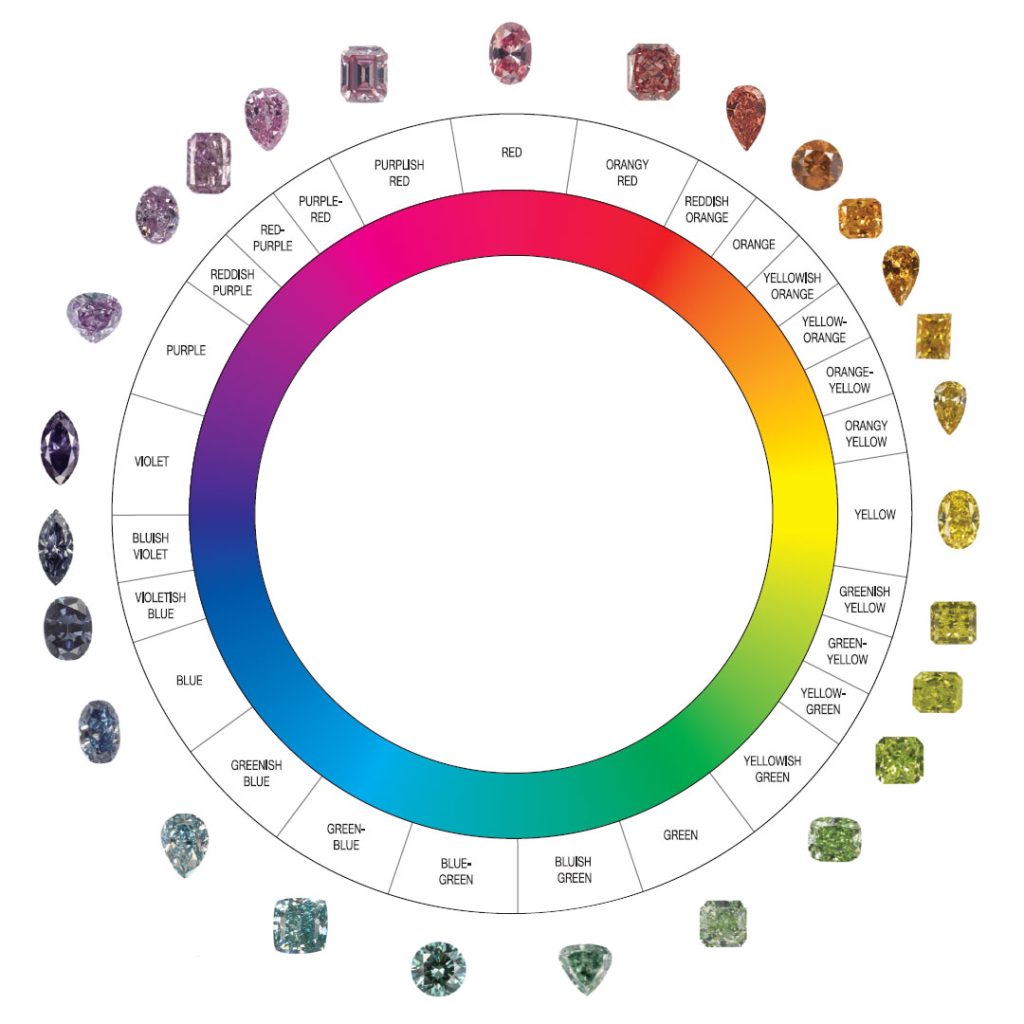
Secondary Hues
These are stones that possess a secondary hue and as you can see in the Hue Wheel above, they are almost a range between the pure color stones.
For example, between Orange and Yellow, you have:
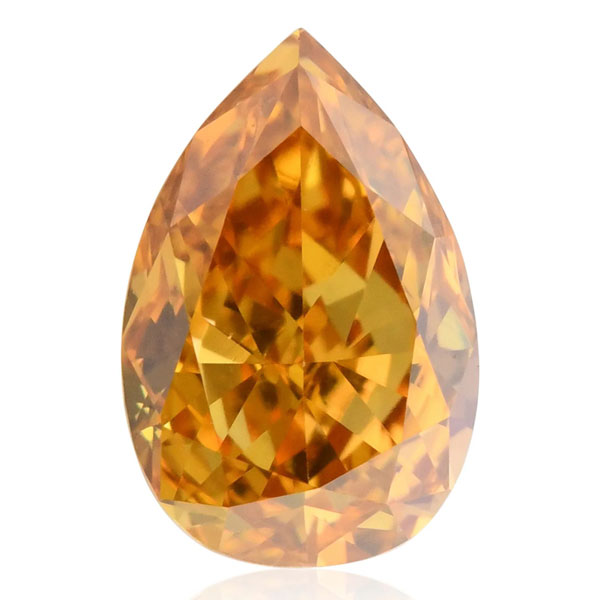
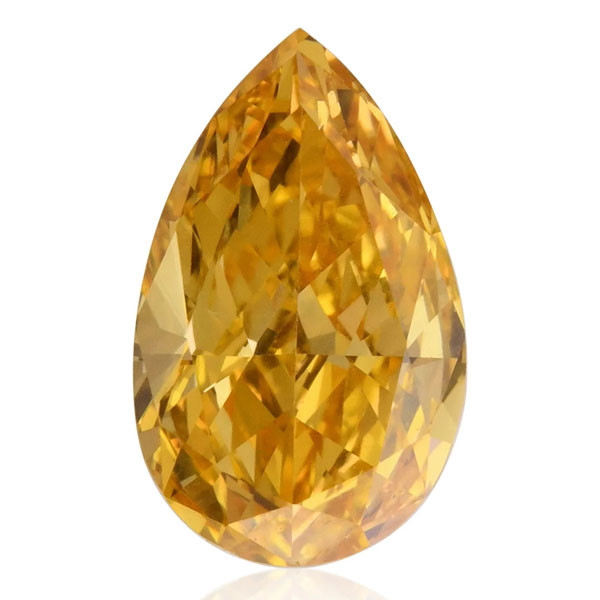
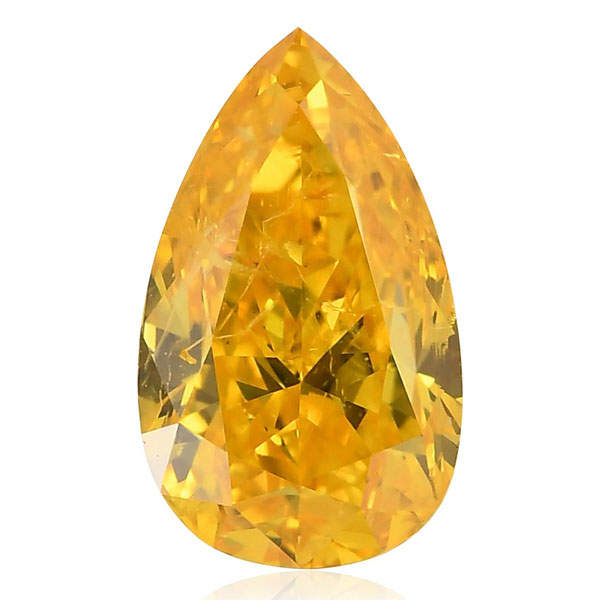
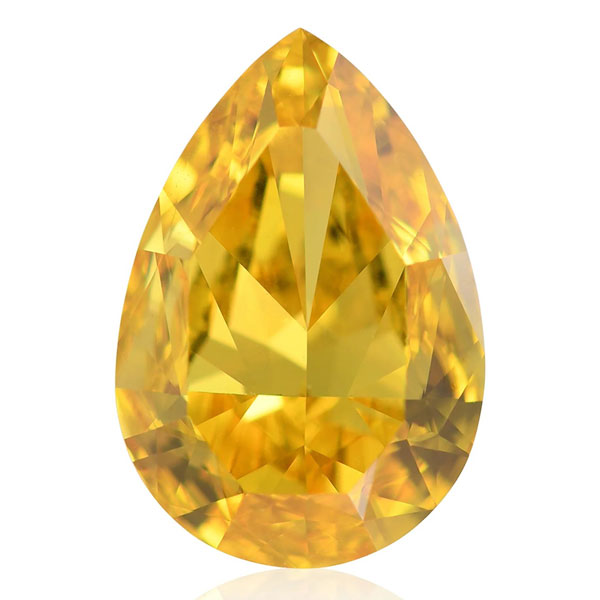
All image credits: Leibish.
With stones that have a secondary hue, the dominant hue is always listed last.
Tertiary Hues
These are stones that possess three hues and like with Secondary Hues, the dominant hue is always listed last with the weakest hue being listed first, for example:
You may occasionally find Diamonds more than three hues but these are unusual.
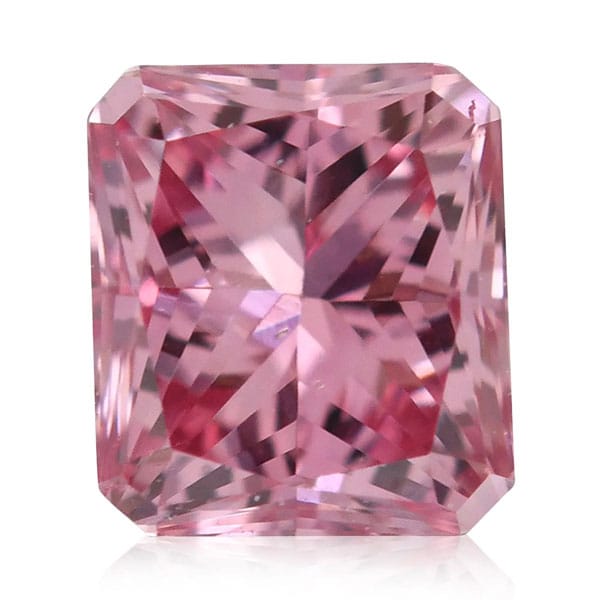
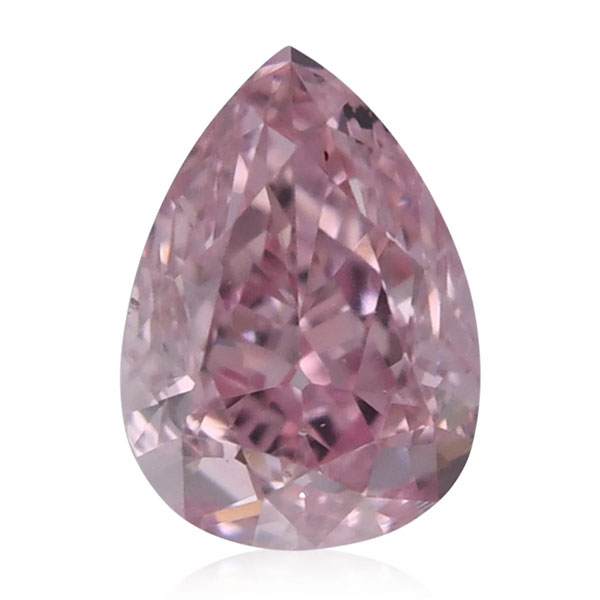
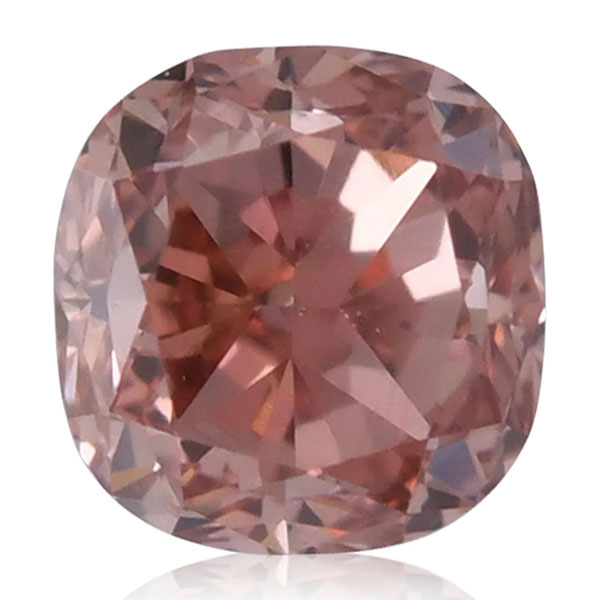
2 & 3: Saturation and Tone
Saturation and Tone are assessed individually but it is the combined assessment of the two that results in the color grade that the Diamond is given.
But what are Saturation and Tone?
- Saturation – this is how intense the color of the stone is
- Tone – this is how light or dark the stone is

And as I said above, it is the combination of these two factors that give the Diamond its color grade and there are 9 possible grades a stone can be given, which are:
- Faint
- Very Light
- Light
- Fancy Light
- Fancy
- Fancy Intense
- Fancy Vivid
- Fancy Deep
- Fancy Dark
In some colors, it can be quite difficult to see the color with the naked eye, for example, I once looked at a Faint Blue Diamond and if I hadn’t have looked at the report, I would have thought the stone was a colorless stone with a D-G color grade.
With other colors, such as Yellow or Brown stones, the color is more noticeable.
4: Distribution
Distribution is something that is rarely talked about when it comes to Fancy Color Diamonds and while it doesn’t impact the color grade the stone is given, it can have an impact on how the stone looks.
This is something that is only found on GIA Fancy Color Diamond reports, with stones being given one of the following designations:
- Even – these stones have an even, uniform color across the stone when viewed face-up
- Uneven – these stones can have areas where the color is weaker or not visible when viewed face-up
- Not Applicable – this is usually given to faint, very light or light stones where it is difficult to accurately assess the color distribution
The GIA does say that the majority of Fancy Color Diamonds are given an Even designation and that Uneven stones are as a result of cutting, rather than actual color zoning in the stone.
Color Origin
The next part of the grading process is almost as important as the color itself as it is how the stone got its color and the GIA will give one of the three following designations:
- Natural – this means that the stone hasn’t undergone any treatment to achieve the color
- Treated – this means that the stone has undergone some form of treatment
- Undetermined – this is means that they haven’t been able to identify whether the stone has undergone treatment or not
Many treated stones will also have Treated Color inscribed on the girdle alongside the report number.
Clarity
Clarity is one of the 4 C’s and an important grading criteria for Fancy Color Diamonds as it can have a big impact on how the stone looks.
But what is Clarity? It is how free the stone is from inclusions, some people refer to this as how ‘clean’ the stone is.
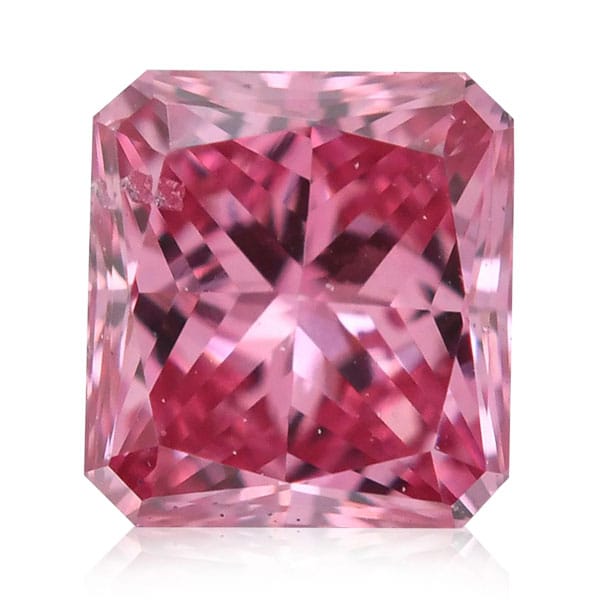
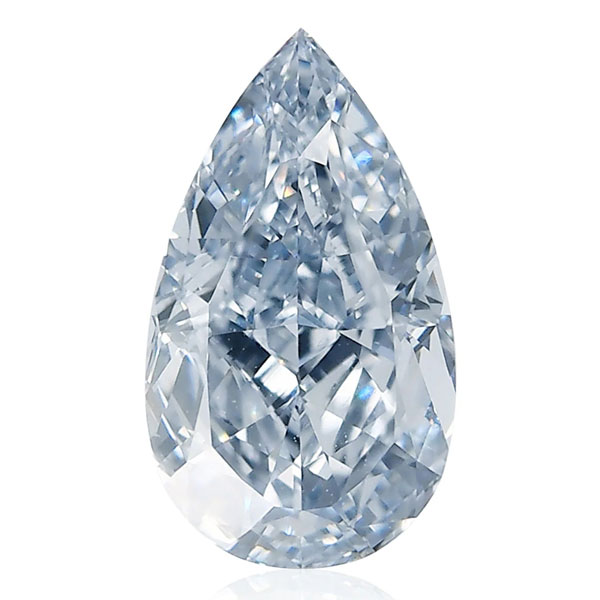
All image credits: Leibish.
When it comes to grading the clarity of Diamond, the most commonly used grading chart is the one that was developed by the GIA and includes the following grades:
- Flawless (F) – The diamond is free from any inclusions or blemishes
- Internally Flawless (IF) – The diamond is free from any inclusions but has a very small surface blemish
- Very Very Slightly Included (VVS) – There are very very small inclusions within the stone that are difficult to spot using 10x magnification
- Very Slightly Included (VS) – Very small inclusions that are somewhat difficult to spot under 10x magnification
- Slightly Included (SI) – The diamond has small inclusions that are easy to see under 10x magnification
- Imperfect/Included (I) – The diamond has easily noticeable inclusions, sometimes visible to the naked eye, stone also has beauty and/or durability issues
These grades are assigned by viewing the stone under 10x magnification, with inclusions visible through the top of the stone having a bigger impact than ones that can be seen through the pavilion.

As you can see in the image above, the VVS, VS and SI have two subcategories but why?
The official answer to this is that the size and location of the inclusions is a deciding factor but this doesn’t really explain it in my opinion and from experience, the difference a 1 and 2 is:
- The inclusions for a 1 are generally located under the crown facets, making them more difficult to see
- The inclusions for a 2 are generally more central and usually under the table, which makes them easier to see
For the I clarity grade, you will see that there are three subcategories but the reasons for these are different to the ones mentioned above as:
- I1 Clarity Diamonds have inclusions that impact the beauty of the stone
- I2 Clarity Diamonds have inclusions that notable impact the beauty or affect the durability of the stone
- I3 Clarity Diamonds have inclusions that impact the beauty and durability of the stone
I always recommend avoiding I Clarity Diamonds due to the looks and/or durability of the diamond being affected and instead, go for an SI1 or better.
Want to learn more? Check out my full Diamond Clarity Guide
Cut
When we talk about Cut in a Diamond, we are talking about the quality of the cut, not the style of cut.
And the GIA doesn’t give any Fancy Color Diamond a cut grade because they are cut to maximize their color rather than fire and brilliance.
The only information they provide regarding the cut are:
- Table Size
- Total Depth
- Girdle Thickness

Symmetry
Nearly all Fancy Color Diamonds are given a symmetry grade by the GIA and the easiest way of describing symmetry is to draw an imaginary line down the middle of the stone and seeing if one side looks the same as the other.
And when grading symmetry, we look at two main things:
- Proportional Symmetry – this is things like if the table is centered, the girdle is even all the way round and angles are the same on all sides
- Facet Symmetry – this is basically do the facets on one side look the same as the other and includes things such as extra facets or facet edges not meeting properly
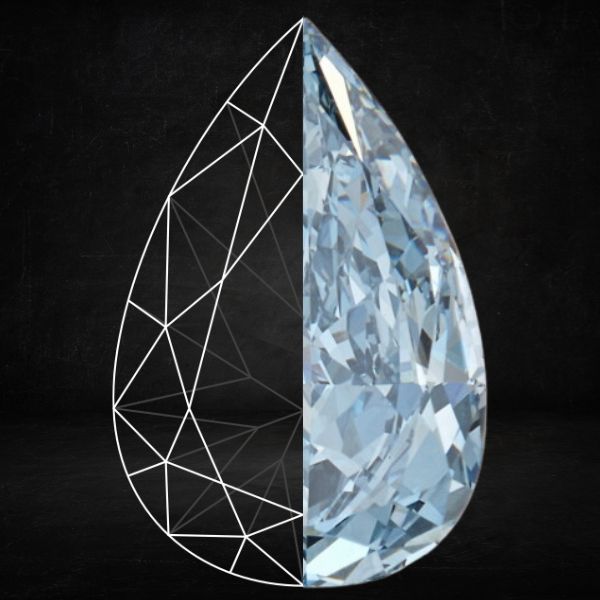
There are five possible grades that a stone can be given for its symmetry, which are:
- Poor
- Fair
- Good
- Very Good
- Excellent
Polish
This is the quality of the final polish as not all Diamonds are finished to the same standard and stones with a lower-quality final polish may have:
- Polishing lines on facet faces
- Burn marks on the surface of the Diamond
- Unpolished areas, either from the original crystal or earlier polishing stages
Some small polishing imperfections will only be noticeable under 10x magnification.
As with Symmetry, the Polish of the stone is given one of the following 5 grades:
- Poor
- Fair
- Good
- Very Good
- Excellent
Fluorescence
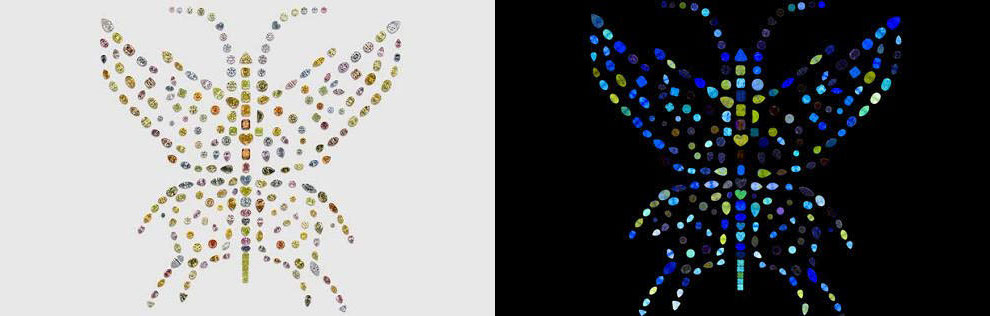
As with Colorless Diamonds, Fancy Color Diamonds are graded for their fluorescence, with each stone being given one of the following five grades:
- None
- Faint
- Medium
- Strong
- Very Strong
But the difference with fluorescence in Fancy Color Diamonds is that the fluorescence itself can appear in a number of different colors, including White, Blue, Yellow and Green and the color of the fluorescence can be noted next to the grade on the report.
Fluorescence also tends to vary depending on the color of the stone, for example:
- Fancy Yellow – it is quite common to find Yellow Diamonds with fluorescence, with blue, yellow and green fluorescence being commonly seen
- Fancy Pink – it is very common to find fluorescence in Pink Diamonds, with it being quite difficult to find stones that don’t have some level of fluorescence
- Fancy Blue – a lot of pure Blue Diamonds don’t show any fluorescence at all
It is estimated that over 60% of Fancy Color Diamonds will show some fluorescence under normal UV testing, which is a lot higher than the estimated 25-30% of colorless stones.
Natural or Synthetic
As both Natural and Synthetic (Lab-Grown) Diamonds are available in fancy colors, I thought I would just briefly cover it here.
When it comes to grading a stone, the same process is applied to both Natural and Synthetic stones, so they are graded on their:
- Color
- Color Distribution (GIA only)
- Clarity
- Symmetry
- Polish
- Fluorescence
The main difference is the wording on the report as both the GIA and IGI explicitly state at the top of the report that it is either:
- Colored Diamond Report – this means that the stone is natural
- Laboratory-Grown Diamond Report – which is pretty self-explanatory
If you are interested in the ethical claims around Synthetic Diamonds, then check out my Are Lab-Grown Diamonds More Ethical post.
Lab Reports (Certificates)
The last thing to talk about when it comes to Fancy Color Diamond grading is the document that accompanies a stone after it has been to a lab.
Just to clear things up, they are reports and not certificates, even though most people refer to them as certificates.
There are a number of labs that do Colored Diamonds reports but the two most prominent names are:
- The GIA – the gold standard for Natural Diamonds
- IGI – the main lab for synthetic Diamonds
So what is included on a Colored Diamond Report?
It does depend on the lab as GIA and IGI reports are slightly different and the type of report as with the GIA, an Grading Report will include a lot more information than an Identification and Origin Report.
For this guide, I will be focusing on GIA reports as they are the gold standard when it comes to Diamond reports and all reports include:
- Date – the date the report was issued
- Report Type
- GIA Report Number
- Shape and Cutting Style
- Measurment
- Carat Weight
- Color Grade
- Color Origin
- Color Distribution
- Inscription
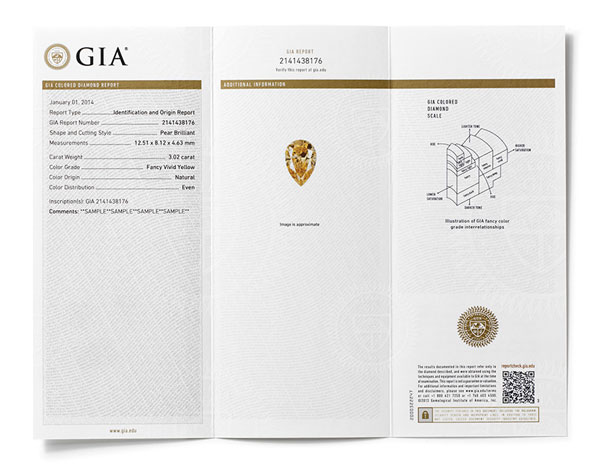
In a full Grading Report, you also get the following information:
- Clarity Grade
- Proportions
- Polish
- Symmetry
- Fluorescence
- Comments
- Image of the stone
- Plotting Diagram – shows the type of inclusions and where they are in the stone
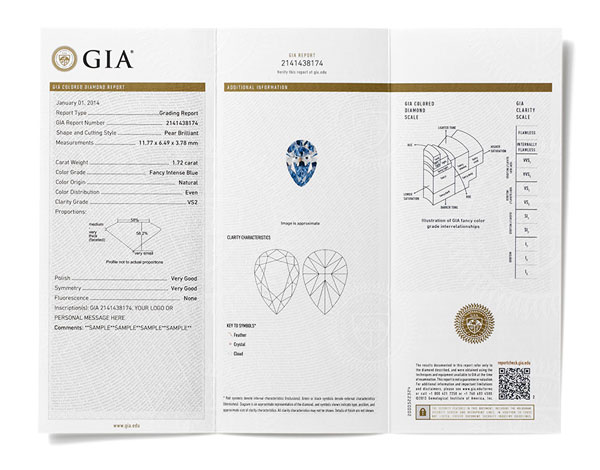
In general, identification reports are done for stones weighing less than 0.15ct or for less desirable colors, such as Black.
Conclusion
I hope this has helped you understand the basics of Fancy Color Diamond grading.
By far the most important aspect is Color, especially as color grades and how the stone got its color has a huge impact on the price of a Diamond.

Want to Learn More?
I’ve created a short online video course that covers the basics of Diamond Grading in more detail.
View Course