
Pink Diamond Price and Quality Guide (The 4 C’s & More!)
Pink Diamonds are one of the most expensive fancy colour Diamonds but the price between two stones can be 6 or even 7 figures and in this guide, I will go through all of the factors that impact the price of these beautiful diamonds.
Why Are Pink Diamonds So Expensive?
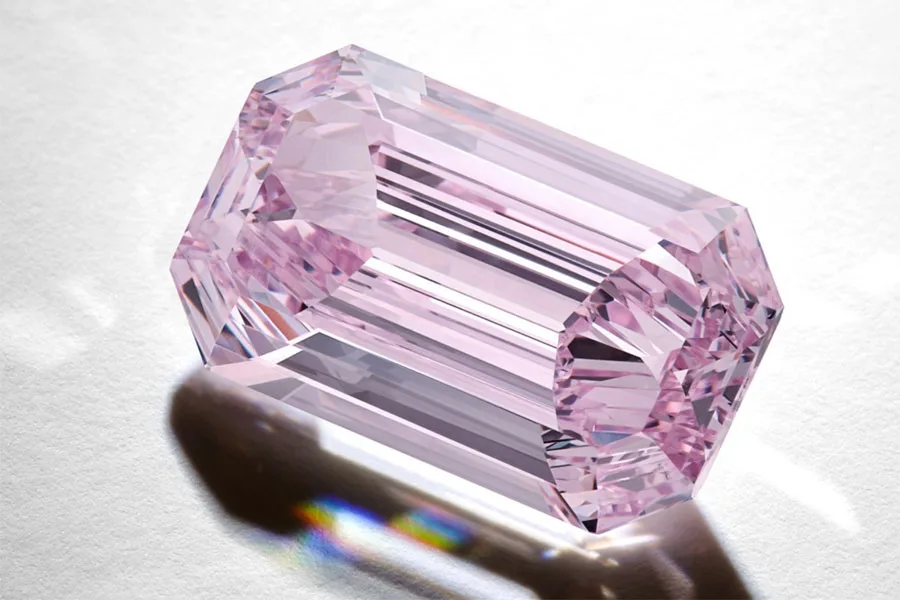
Before I get into the price factors, it might be helpful to understand some of the reasons outside of the quality factors that make pink diamonds expensive, these include:
- They Are Rare – Pink Diamonds are really rare, of the 865 million carats that Australias Argyle Mine produced, less than 0.1% were Pink and to put this in perspective, the Argyle Mine produced over 90% of the worlds supply of Pink Diamonds
- Limited Supply – the Argyle Mine closed in 2020 after 37 years and no other major source has been found since. They are sometimes found at other mines but nowhere near the level they were at Argyle, so there is only a small number of these stones coming to market
- High Demand – Pink is one of the most desirable Diamond colours and demand for them keeps growing, combine this with falling supply and prices are only going one way
So that is why they are expensive but lets take a look at the different factors that affect the price of individual stones.
Pink Diamond Price Factors
Prices for Pink Diamonds can vary a lot, with stone prices ranging from 4 to 7 figures per carat but why? Well, there are a few different factors that affect the price, including:
- Colour
- Clarity
- Style of Cut & Cut Quality
- Weight
- Whether it has been treated
- Whether it is natural or synthetic
- If the stone comes with a lab report
This makes pricing Pink Diamonds quite challenging and a lot more difficult than normal D-Z colour prices, with each Pink Diamond being priced based on its individual merits by people who have a deep understanding of the fancy colour diamond market.
Let’s take a look at these factors in a bit more detail:
Colour
By far the most important factor when it comes to Pink Diamond prices is the colour and when looking at fancy colour Diamonds, they are assessed on three things:
1: Hue
The hue is the body colour of the stone and when it comes to fancy colour diamonds, pure stones are the most desirable, but many stones will have a second or sometimes third hue.
When it comes to price, the hue does have an impact:
- Pure Pink – the most desirable and expensive pink diamonds are pure pink
- Purplish Pink – not that far behind are purplish pink stones, the secondary purple hue can give these stones a really nice colour, with some people preferring these to pure pink stones
- Orangey Pink – not as desirable are orangey pink stones
- Brownish Pink – brown hues are the least desirable in most fancy coloured diamonds and this definitely applies the pink
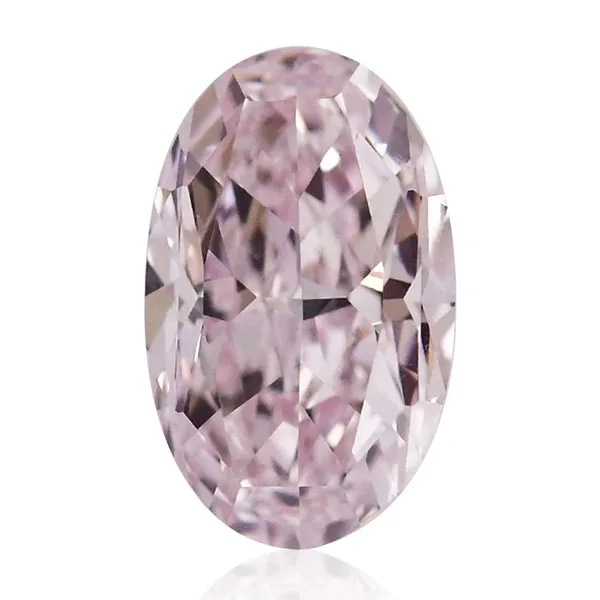
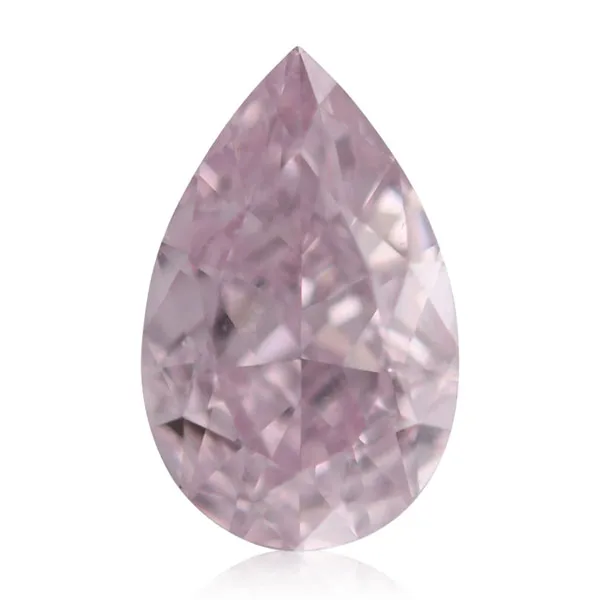
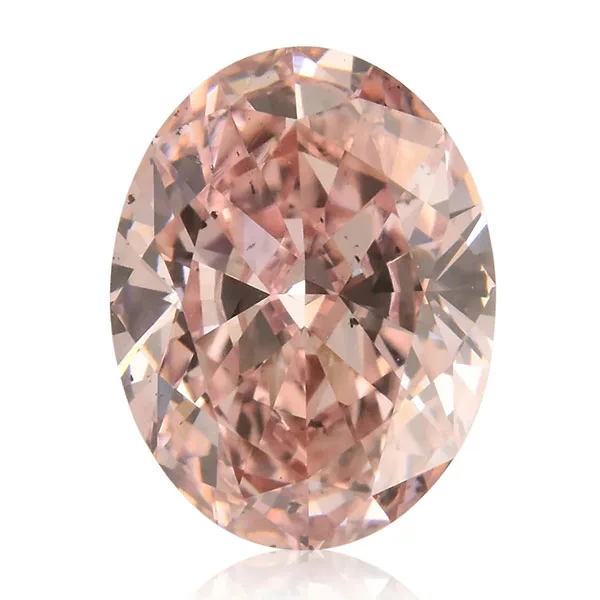
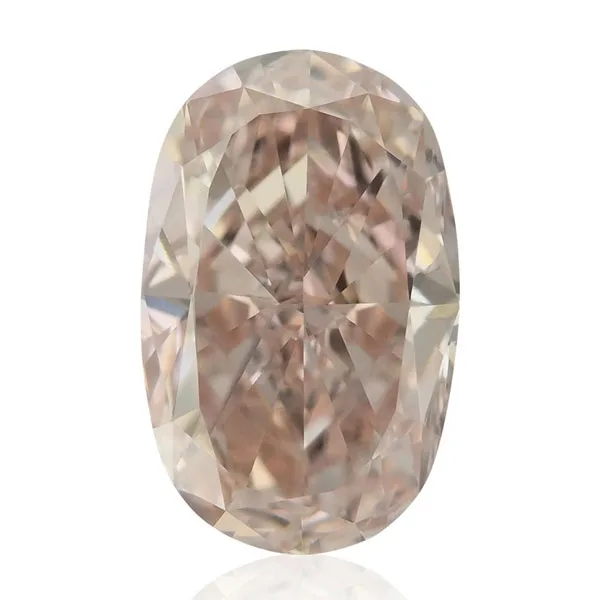
The thing with the secondary hues is that they range in strength, with some stones only having a faint secondary hue whereas in others it might be very strong, in some cases, nearly as strong as the main hue.
Stones with three hues generally have a lower price per carat than stones with just two hues.
Colour Terminology: The main body colour of the stone is always listed last, with the second and third hues being listed in order of their strength, from the weakest to the strongest. For example:
In a Brownish Orangey Pink Diamond, the main body colour is pink, the strongest secondary hue is orange and the weakest hue is brown.
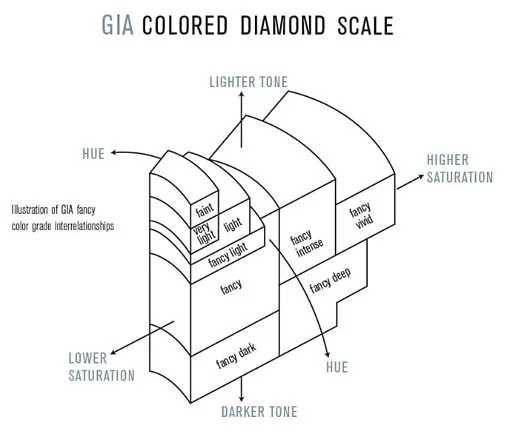
2 & 3: Tone and Saturation
I’ve put tone and saturation in together as they very closely relate to each other but lets take a look at the two individually:
- Tone – this is how light or dark the stone is
- Saturation – this is how intense the colour is in the stone
Combining these two elements gives us the colour grade of the stone, with the GIA having 9 grades, which are:
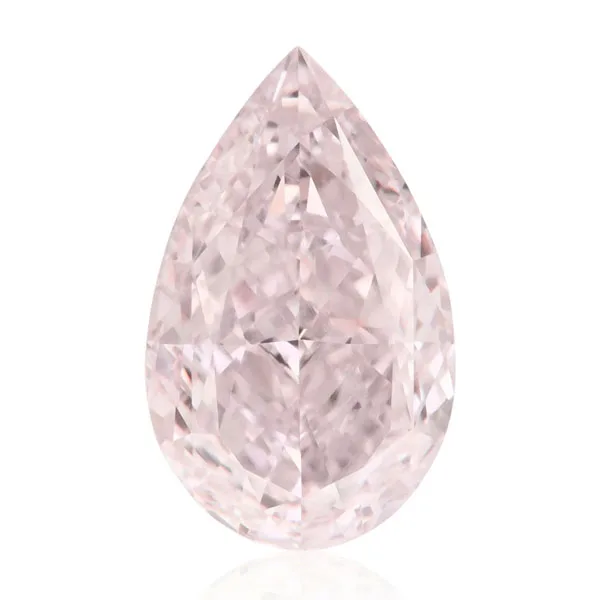
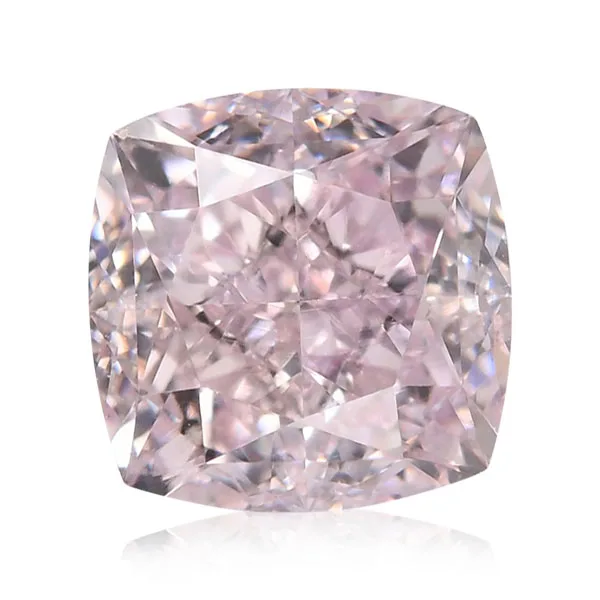
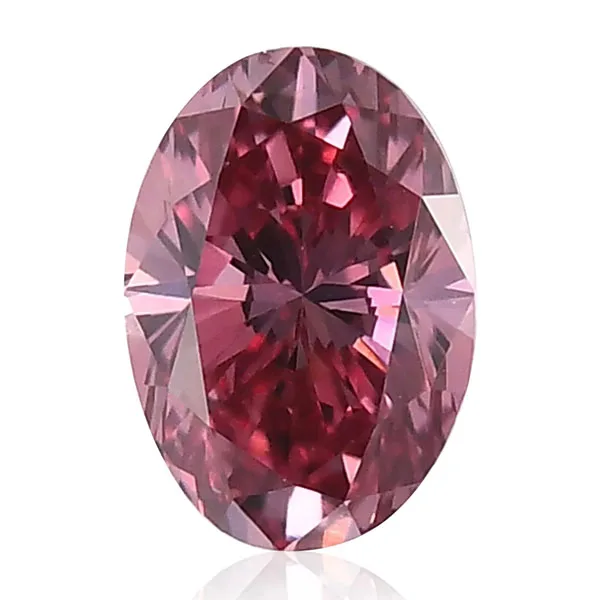
The 9th one is Fancy Dark but I couldn’t find a good example of this to show.
One thing to be aware of with the colour grades is that within each grade there is a scale and two stones with the same colour grade can look quite different, for example:
If you have two Fancy Pink Diamonds, one might be closer to the Fancy Light end and the other might be closer to the Intense end and this is usually reflected in the price.
Talking of price, Fancy Vivid stones are the most expensive, followed by Fancy Intense, with Faint being the lowest as with many of the faint stones, it can be very difficult to notice the pink colour and to some people, it may even appear colourless.
Colour Description: When describing the colour of a fancy colour diamond, it is a combination of the tone & saturation grade followed by the hue, for example:
A Fancy Intense Purplish Pink Diamond.
Clarity
While clarity does have an influence on price, it isn’t as important as it is in colourless stones, especially at the higher clarity grades.
This can be seen by looking at the most expensive Pink Diamonds as the clarity grades of the top 20 range from VS1 to Internally Flawless but there isn’t a correlation between higher clarity grades and price.
At the lower clarity grades (I and SI), the clarity will have an impact on the price as inclusions are more noticeable but it isn’t just the grade, it is how the inclusions impact the beauty of the stone and we look at:
- Size – this is the size of the inclusion, with larger inclusions have a greater impact than smaller ones
- Nature – this is basically the type of inclusion and the more noticeable an inclusion, the bigger the impact it has on the beauty, for example a dark crystal inclusion is more noticeable than a faint cloud (lots of small inclusions)
- Position – this is where the inclusion is within the stone, with inclusions under the table generally having a bigger visual impact than ones under the crown facets
- Colour or relief – very light or dark inclusions will have a bigger impact on the clarity grade than ones that are more similar in appearance to that of the Diamond
- Quantity – generally, the more inclusions that a Diamond has, the bigger impact they have on the stones appearance
While it doesn’t affect the clarity grade, the colour of the stone does play a part because on a faint pink stone, a dark inclusion is going to have a bigger impact than the same inclusion would have in a fancy dark stone.
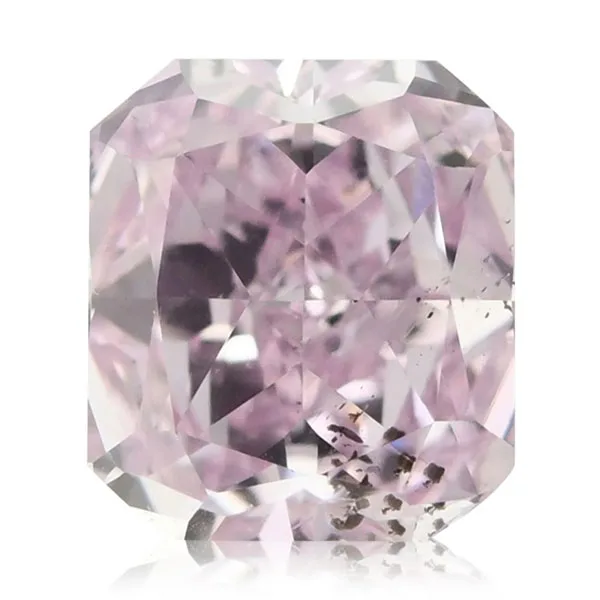
Below are two stones that show this point and also shows that you need to look at the stone and not just buy from a report:
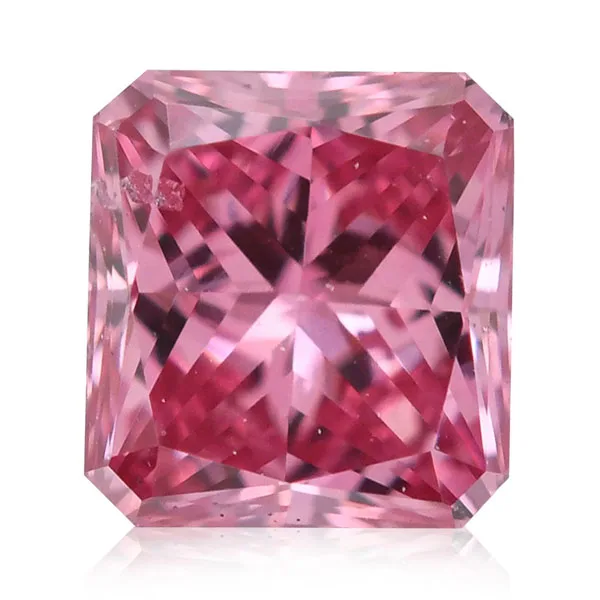
- The inclusions aren’t overly noticeable in the first stone (the main one is in the top left-hand corner) and because it is lightly coloured, it is quite well masked by the colour of the stone
- The inclusions are much more noticeable in the second stone as the darker inclusions stand out against the ligher colour of the stone
This is factored into the price as stone that look better to the eye will have a higher price per carat, even if the two stones are identical on paper.
Cut
There are two things to consider when we are talking about cut:
1: Quality of Cut
This is the Cut that is part of the 4 C’s but it isn’t the same as when talking about the cut in colourless diamonds.
This is because in fancy colour diamonds, the aim when cutting the stone is to achieve the best balance between:
- Bringing Out The Best Colour – as the colour has such a big impact on price, the cutter aims to bring out the best colour they can in the stone
- Maximizing Yield – when you are potentially looking at 5 figures plus per carat, they want to produce the largest stone possible
- Minimizing Inclusions – this is especially the case for inclusions that could have a big impact on visual appeal of the stone
- Bringing Out The Brilliance – it still needs to look like a Diamond, so the process needs to bring out some of the brilliance and sparkle that Diamonds are known for
This is why many fancy colour Diamonds aren’t cut to ‘ideal’ proportions, as these are designed for colourless stones to return the maximum amount of light.
The majority of Pink Diamonds are cut as fancy shapes, rather than the traditional round brilliant and currently, these aren’t given a cut grade by grading labs like the GIA.
When it comes to cut quality, there are still some universal things that apply, these include:
- Facets not being aligned properly
- Table and/or culet being off-centre
- Wonky girdle

In terms of pricing, the quality of cut does have an impact as a well cut stone is going to have a far better visual appeal than a poorly cut one and the better the stone looks, the more it is going to sell for.
2: Style of Cut
While not a quality factor, the style of cut can have an impact on price as some styles are more desirable than others and as I said above, most Pink Diamonds are cut into fancy shapes with the three most popular styles of cut being:
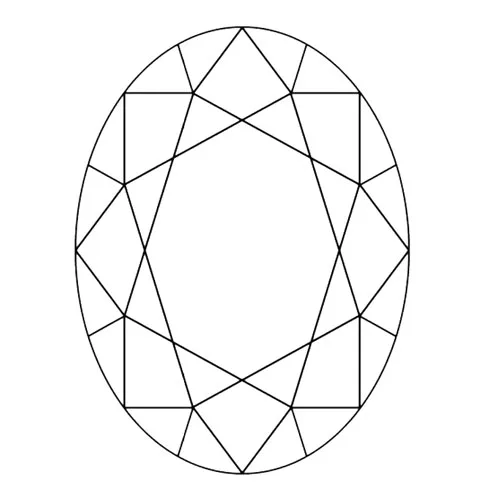
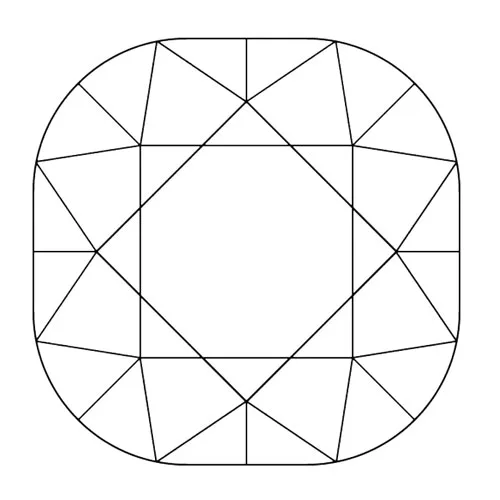
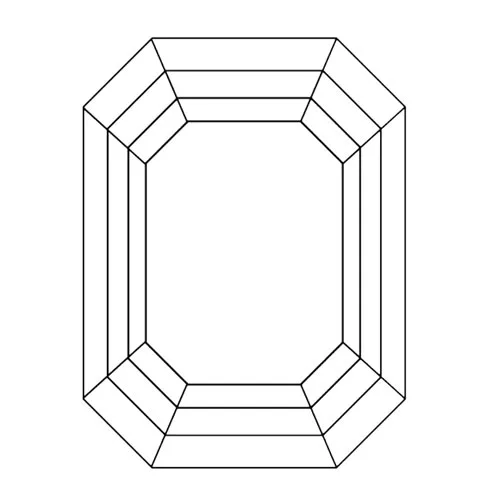
In smaller stones, you are more likely to find Round Brilliant cuts but these are quite rare in larger stones as the cut styles pictured above often:
- Help to bring the best colour out of the stone
- Produce the best yield from rough crystals
You will occasionally see more unique cuts such as triangle/trillian and hearts but these don’t have such a wide appeal and in the case of hearts, will often sell for a lower price per carat than the equivalent oval or cushion cut.
Carat Weight
Carat weight can have a big impact on the price of Pink Diamonds as unlike some other Diamond colours, Pink Diamonds don’t form in large crystals, with most of the stones on sale weighing less than 1ct.
As you move into the 1ct+ range you will see the number of stones available go down and the price per carat increase, with price per carat increasing more as you move past each whole carat weight.
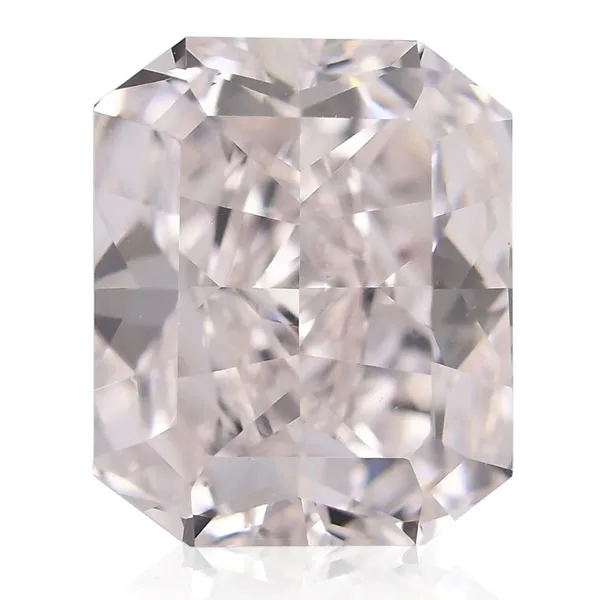
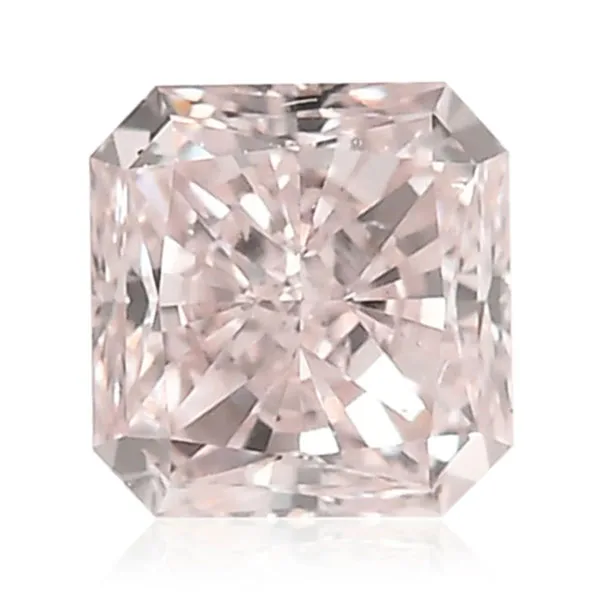
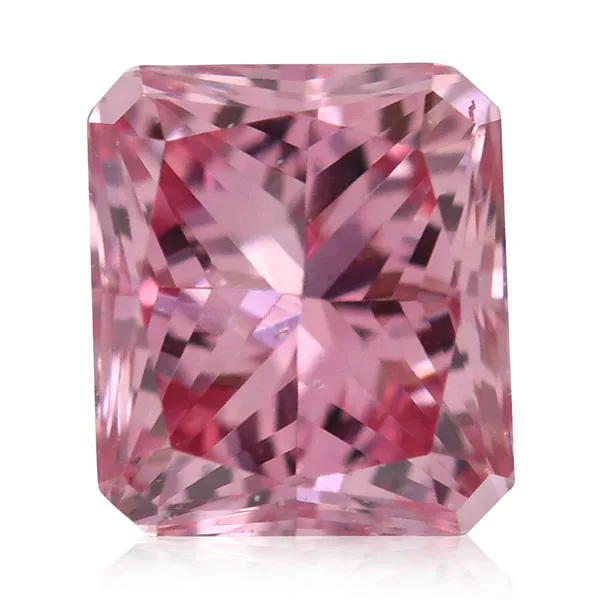
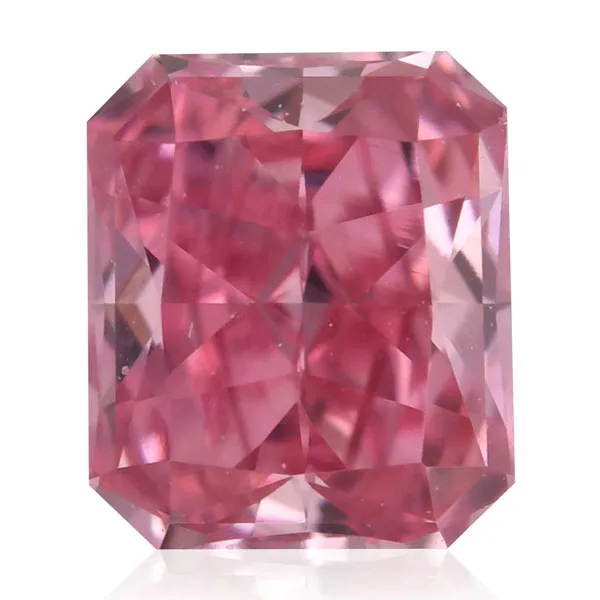
I found two stones to show this, both a Radiant Cut, Light Pink stones with VS1 clarity:
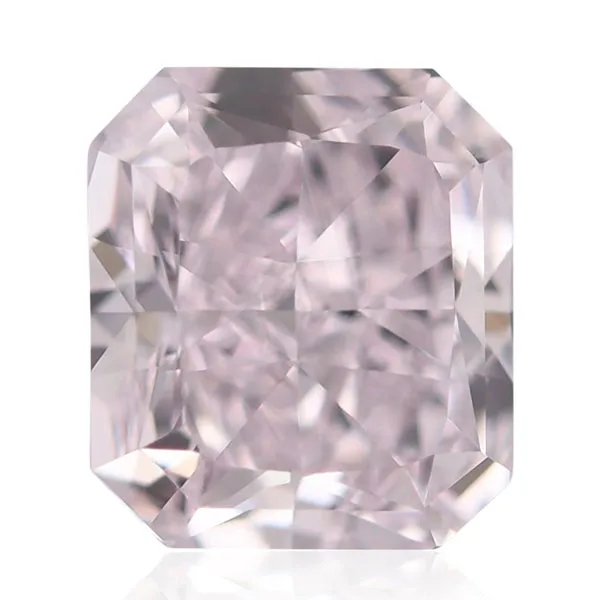
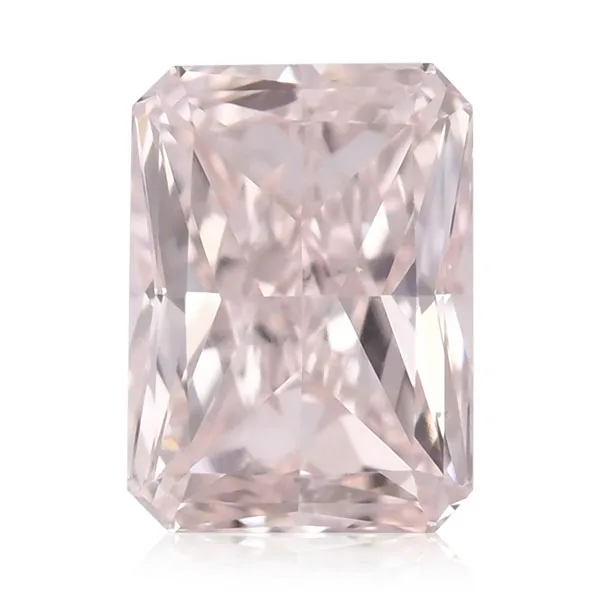
Obviously, these two stones aren’t identical but the price per carat of the 1.06ct stone is more than twice that of the 0.54ct one.
Stones weighing more than 10cts are really rare and there are only a few examples of high-quality pink Diamonds weighing more than 20 carats, with the Pink Star being the most notable.
Treated Pink Diamonds
You can get natural diamonds that have been treated to produce the desirable pink colour.
There are a couple of different treatments that can be done to make a Diamond look Pink:
Coating
This is quite a basic treatment where a coating is applied to the surface of a colourless or near colourless diamond to make the stone appear a different colour.
While reasonably durable, it isn’t a permanent treatment and can get scratched or be damaged or removed by heat and chemicals, which it may be exposed to if the piece it is in is being repaired.
HPHT, Irradiation & Annealing
This is a multi-step process that many treated Pink Diamonds have been through.
They normally start out as brown diamonds, which isn’t the most desirable colour but to produce the more desirable pink, they go through the following stages:
- High Pressure High Temperature Treatment – this is a process that closely resembles what happens in the earth and removes the brown and can give the stone a yellow, yellowish-green or green colour
- Irradiation – the stone is then exposed to radiation, which usually results in the colour getting darker
- Annealing – the final stage is to heat the stone to around 1000°c – 1100°c and this can produce pink or red stones
Don’t worry though, this process doesn’t make the diamond radioactive.
The result of this treatment is permanent.
Some pinks are treated just by irradiation or annealing, but the colour isn’t stable and can change, even by just being exposed to the heat of a jeweller’s torch.
In terms of pricing, treated stones are worth significantly less than stones where the colour is completely natural.
They can be an option worth considering if you want a Pink Diamond but don’t have the budget for a natural one, the problem is finding them as not that many places sell them.
Disclosure: If a stone has been treated in any way, whether to alter the colour or clarity then the seller must disclose it to you as the customer.
Synthetic Pink Diamonds
There is no way I can talk about Pink Diamonds and not talk about synthetics (more commonly referred to as lab-grown) as you can get pink synthetic diamonds.
If you are on a budget but want a pink diamond, then these are worth considering as they are considerably less expensive than natural stones, with plenty available for less than $2,000/ct.
The only thing to consider when choosing a synthetic is the colour as I did notice some things when looking at synthetic pink diamonds:
- While many have colours similar to those found in natural stones, some look unnatural and I did see some that had a really really vivid pink colour that you would never find in a natural stone
- Colour grades on the reports, many of the stones were listed as pure pink but it was obvious from the pictures that they had secondary hues, with orange being the most common
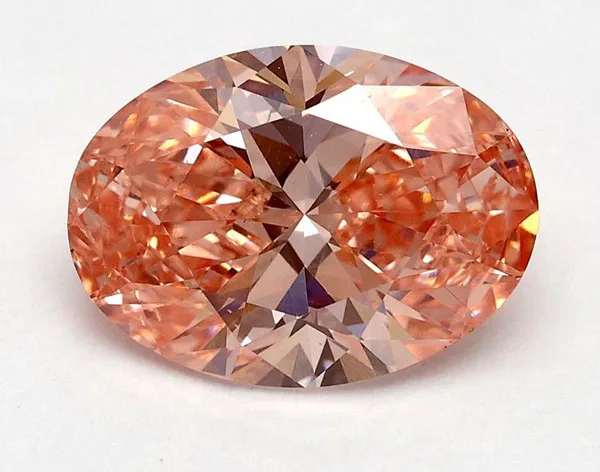
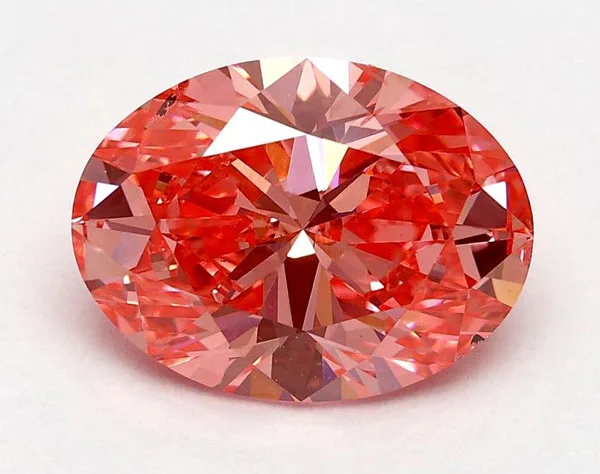
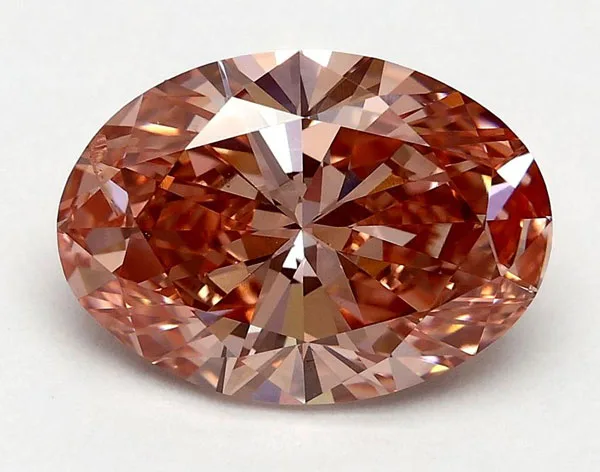
All the stones pictured (img: Brilliant Earth) above were given a Fancy Vivid Pink colour grade by IGI.
Lab Reports
Due to the price of Pink Diamonds, a lab report is an essential document as it lists all of the important information about the stone, including:
- The colour grade
- The clarity grade, most pink diamond reports will including a plotting diagram showing the type of inclusions and where they are in the stone
- Other stone detail such as the carat weight, stone dimensions, cut style, polish and symmetry grades
- Whether the stone is natural or synthetic
- If the stone has been treated or not
Labs such as the GIA will inscribe the report number on the girdle of the stone so that you can check to make sure the number on the report matches the stone.
Reputable Gem Labs ONLY Produce Reports
And they explicitly state this on the document/card that accompanies the stone, if the document or card says ‘certificate’ or ‘certificate of authenticity’, run away from it as fast as you can as the stone might not even be a Sapphire.
Where To Buy
Not every retailer or Diamond dealer stocks fancy colour Diamonds due to their price and rarity (for natural stones), so I’ve listed some reputable retailers below:
Natural Pink Diamonds:

Leibish is one of the leading retailers of Fancy Colour Diamonds, including Pinks.
They sell online and offer worldwise shipping along with having offices in New York, Honk Kong and Sydney.
Synthetic Pink Diamonds:

Brilliant Earth are one of the biggest online Diamond retailers.
They offer a large selection of fancy colour synthetic Diamonds, including pinks.

I'm Paul Haywood FGA DGA, the owner and founder of Haywoods Gems, I'm a fully qualified Gemmologist and Diamond Grader from the Gemmological Association of Great Britain.